Back to Network











10
Shared Docs
10
Same-Page
10 / 10
Mentions
Document Mentions (10 shared documents)
2 mentions1 same-page
Page ?Same page
274 United States v. Tones, 901 F.2d 205 (2d Cir. 1990) 266,268,271 United States v. Towne, 870 F.2d 880 (2d Cir. 1989) 251 United States v. Tracy, 12 F.3d 1186 (2d Cir. 1993) 283 United States v. Tramunti, 513 F.2d 1087 (2d Cir. 1975) 225,233 United States v. Mantilla), 606 F. Supp. 2d 3
1080 (2d Cir. 1989) 106, 119, 149 Arizona v. Youngblood, 488 U.S. 51 (1988) 76 Aronson v. K. Arakelian, Inc., 154 F.2d 231 (7th Cir. 1946) 19 Berghuis v. Smith, 559 U.S. 314 (2010) 299, 302 Blaszczak, 17 Cr. 357 (LAK) 275 Nissen v. Lefevre, 924 F.2d 434 (2d Cir. 1991) 158 Mum v. Yaretsky, 457 U.S.
2 mentions1 same-page
Page ?Same page
ements may be admitted at trial on a conditional basis without the need for any pretrial consideration of their admissibility. See United States v. Tracy, 12 F.3d 1186,1199 (2d Cir. 1993) ("The decision as to whether the four prerequisites have been met, like all other preliminary questions of admiss
decision theory, the comparative disparity theory, and the absolute disparity theory. See Rioux, 97 F.3d at 655. Although no method is perfect, see Berghuis v. Smith, 559 U.S. 314, 329 (2010), the Second Circuit has made clear that the comparative disparity theory is disfavored and strongly suggested that the ab
2 mentions1 same-page
Page ?Same page
74 United States v. Torres, 901 F.2d 205 (2d Cir. 1990) 266, 268, 271 United States v. Towne, 870 F.2d 880 (2d Cir. 1989) 251 United States v. Tracy, 12 F.3d 1186 (2d Cir. 1993) 283 United States v. Tram :::: ti, 513 F.2d 1087 (2d Cir. 1975) 225, 233 United States v. Tranquillo, 606 F. Supp
1080 (2d Cir. 1989) 106, 119, 149 Arizona v. Youngblood, 488 U.S. 51 (1988) 76 Aronson v. K. Arakelian, Inc., 154 F.2d 231 (7th Cir. 1946) 19 Berghuis v. Smith, 559 U.S. 314 (2010) 299, 302 Blaszczak, 17 Cr. 357 (LAK) 275 Blissett v. Lefevre, 924 F.2d 434 (2d Cir. 1991) 158 Blum v. Yaretsky, 457 U.
Sponsored
2 mentions1 same-page
Page ?Same page
ements may be admitted at trial on a conditional basis without the need for any pretrial consideration of their admissibility. See United States v. Tracy, 12 F.3d 1186, 1199 (2d Cir. 1993) ("The decision as to whether the four prerequisites have been met, like all other preliminary questions of admis
decision theory, the comparative disparity theory, and the absolute disparity theory. See Biota, 97 F.3d at 655. Although no method is perfect, see Berghuis v. Smith, 559 U.S. 314, 329 (2010), the Second Circuit has made clear that the comparative disparity theory is disfavored and strongly suggested that the ab
2 mentions1 same-page
Page ?Same page
74 United States v. Torres, 901 F.2d 205 (2d Cir. 1990) 266, 268, 271 United States v. Towne, 870 F.2d 880 (2d Cir. 1989) 251 United States v. Tracy, 12 F.3d 1186 (2d Cir. 1993) 283 United States v. Tram :::: ti, 513 F.2d 1087 (2d Cir. 1975) 225, 233 United States v. Tranquillo, 606 F. Supp
1080 (2d Cir. 1989) 106, 119, 149 Arizona v. Youngblood, 488 U.S. 51 (1988) 76 Aronson v. K. Arakelian, Inc., 154 F.2d 231 (7th Cir. 1946) 19 Berghuis v. Smith, 559 U.S. 314 (2010) 299, 302 Blaszczak, 17 Cr. 357 (LAK) 275 Blissett v. Lefevre, 924 F.2d 434 (2d Cir. 1991) 158 Blum v. Yaretsky, 457 U.
2 mentions1 same-page
Page ?Same page
ements may be admitted at trial on a conditional basis without the need for any pretrial consideration of their admissibility. See United States v. Tracy, 12 F.3d 1186, 1199 (2d Cir. 1993) ("The decision as to whether the four prerequisites have been met, like all other preliminary questions of admis
decision theory, the comparative disparity theory, and the absolute disparity theory. See Biota, 97 F.3d at 655. Although no method is perfect, see Berghuis v. Smith, 559 U.S. 314, 329 (2010), the Second Circuit has made clear that the comparative disparity theory is disfavored and strongly suggested that the ab
Sponsored
2 mentions1 same-page
Page ?Same page
56 United States v. Torres, 901 F.2d 205 (2d Cir. 1990) 174, 176, 179 United States v. Towne, 870 F.2d 880 (2d Cir. 1989) 165 United States v. Tracy, 12 F.3d 1186 (2d Cir. 1993) 191 xxi EFTA00095088 United States v. Tram :::: ti, 513 F.2d 1087 (2d Cir. 1975) 150, 154 United States v. Tran
Arizona v. Youngblood, 488 U.S. 51 (1988) 179 59 141 26, 29 104 84, 103 52 Aronson v. K. Arakelian, Inc., 154 F.2d 231 (7th Cir. 1946) 17 Berghuis v. Smith, 559 U.S. 314 (2010) 207, 210 Blissett v. Lefevre, 924 F.2d 434 (2d Cir. 1991) 108 Blum v. Yaretsky, 457 U.S. 991 (1982) 99 Bochese v. Town
2 mentions1 same-page
Page ?Same page
ements may be admitted at trial on a conditional basis without the need for any pretrial consideration of their admissibility. See United States v. Tracy, 12 F.3d 1186, 1199 (2d Cir. 1993) ("The decision as to whether the four prerequisites have been met, like all other preliminary questions of admis
decision theory, the comparative disparity theory, and the absolute disparity theory. See Rioux, 97 F.3d at 655. Although no method is perfect, see Berghuis v. Smith, 559 U.S. 314, 329 (2010), the Second Circuit has made clear that the comparative disparity theory is disfavored and strongly suggested that the ab
2 mentions1 same-page
Page ?Same page
74 United States v. Torres, 901 F.2d 205 (2d Cir. 1990) 266, 268, 271 United States v. Towne, 870 F.2d 880 (2d Cir. 1989) 251 United States v. Tracy, 12 F.3d 1186 (2d Cir. 1993) 283 United States v. Tram :::: ti, 513 F.2d 1087 (2d Cir. 1975) 225, 233 United States v. Tranquillo, 606 F. Supp
1080 (2d Cir. 1989) 106, 119, 149 Arizona v. Youngblood, 488 U.S. 51 (1988) 76 Aronson v. K. Arakelian, Inc., 154 F.2d 231 (7th Cir. 1946) 19 Berghuis v. Smith, 559 U.S. 314 (2010) 299, 302 Blaszczak, 17 Cr. 357 (LAK) 275 Blissett v. Lefevre, 924 F.2d 434 (2d Cir. 1991) 158 Blum v. Yaretsky, 457 U.
Sponsored
2 mentions1 same-page
Page ?Same page
ements may be admitted at trial on a conditional basis without the need for any pretrial consideration of their admissibility. See United States v. Tracy, 12 F.3d 1186, 1199 (2d Cir. 1993) ("The decision as to whether the four prerequisites have been met, like all other preliminary questions of admis
decision theory, the comparative disparity theory, and the absolute disparity theory. See Biota, 97 F.3d at 655. Although no method is perfect, see Berghuis v. Smith, 559 U.S. 314, 329 (2010), the Second Circuit has made clear that the comparative disparity theory is disfavored and strongly suggested that the ab
Sponsored
Mutual Connections (465)
Entities connected to both Tracy and Berghuis v. Smith
Jeffrey Epstein
PERSON143 w/ Tracy·10 w/ Berghuis
Ghislaine Maxwell
PERSON60 w/ Tracy·10 w/ Berghuis
United States
LOCATION49 w/ Tracy·10 w/ Berghuis
Scarlett Johansson
PERSON47 w/ Tracy·10 w/ Berghuis
ET
Emmy Taylor
PERSON41 w/ Tracy·10 w/ Berghuis
Supreme Court
ORGANIZATION39 w/ Tracy·5 w/ Berghuis
FBI
ORGANIZATION38 w/ Tracy·5 w/ Berghuis
Southern District of New York
ORGANIZATION32 w/ Tracy·10 w/ Berghuis
Prince Andrew
PERSON36 w/ Tracy·5 w/ Berghuis
CO
Collins
PERSON30 w/ Tracy·10 w/ Berghuis
TH
Thompson
PERSON30 w/ Tracy·10 w/ Berghuis
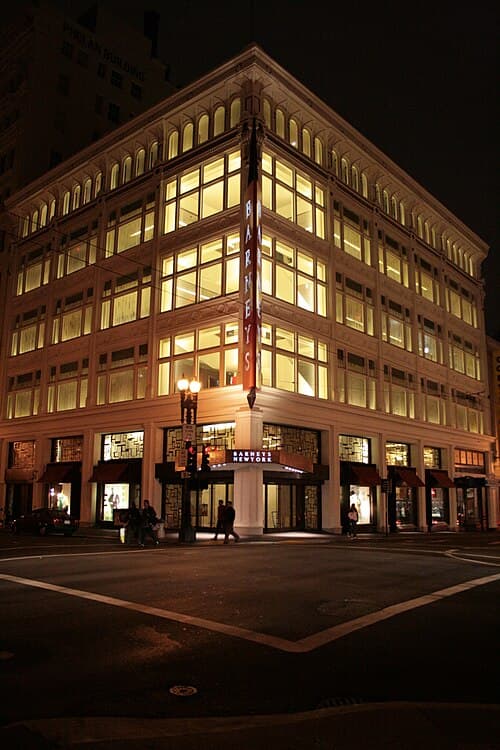
Barneys New York
ORGANIZATION29 w/ Tracy·10 w/ Berghuis
Lesley Groff
PERSON34 w/ Tracy·5 w/ Berghuis
LB
Leon Black
PERSON34 w/ Tracy·5 w/ Berghuis
George W. Bush
PERSON34 w/ Tracy·5 w/ Berghuis
Department of Justice
ORGANIZATION32 w/ Tracy·5 w/ Berghuis
WE
Werner
PERSON30 w/ Tracy·5 w/ Berghuis
Colorado
LOCATION30 w/ Tracy·5 w/ Berghuis
WA
Walker
PERSON25 w/ Tracy·10 w/ Berghuis
John F. Kennedy
PERSON25 w/ Tracy·10 w/ Berghuis