Back to Network













9
Shared Docs
9
Same-Page
9 / 9
Mentions
Document Mentions (9 shared documents)
2 mentions1 same-page
Page ?Same page
Cir. 2007) 251 xix EFTA00099960 United States v. Rahimi, No. 16 Cr. 760 (RMB), 2017 WL 2984169 (S.D.N.Y. June 22, 2017) 225 United States v. Rahman, 189 F.3d 88 (2d Cir. 1999) 154 United States v. Rajamtnam, No. 09 Cr. 1184 (RJH), 2010 WL 4867402 (S.D.N.Y. Nov. 24, 2010) 172 United States
1 I United States v. Rutkoske, 506 F.3d 170 (2d Cir. 2007) 248 United States v. Salameh, 152 F.3d 88 (2d Cir. 1998) 5, 6, 245 United States v. Salerno, 481 U.S. 739 (1987) 151 United States v. Salmonese, 352 F.3d 608 (2d Cir. 2003) 247, 249 United States v. Sampson, 385 F.3d 183 (2d Cr. 2004
2 mentions1 same-page
Page ?Same page
outrageous 105 EFTA00100072 investigatory conduct is very heavy, see United States v. Schmidt, 105 F.3d 82, 91 (2d Cir. 1997). United States v. Rahman, 189 F.3d 88, 131 (2d Cir. 1999); United States v. Al Kassar, 660 F.3d 108, 121 (2d Cir. 2011) ("Generally, to be `outrageous,' the government's inv
ysis focuses on whether"government action depriving a person of life, liberty, or property. . . [is] implemented in a fair manner," United States v. Salerno, 481 U.S. 739, 746 (1987). "Courts examine procedural due process questions in two steps: the first asks whether there exists a liberty or property
2 mentions1 same-page
Page ?Same page
Cir. 2007) 251 xix EFTA00077625 United States v. Rahimi, No. 16 Cr. 760 (RMB), 2017 WL 2984169 (S.D.N.Y. June 22, 2017) 225 United States v. Rahman, 189 F.3d 88 (2d Cir. 1999) 154 United States v. Rajaratnam, No. 09 Cr. 1184 (RJH), 2010 WL 4867402 (S.D.N.Y. Nov. 24, 2010) 172 United States
11 United States v. Rutkoske, 506 F.3d 170 (2d Cir. 2007) 248 United States v. Salameh, 152 F.3d 88 (2d Cir. 1998) 5, 6, 245 United States v. Salerno, 481 U.S. 739 (1987) 151 United States v. Salmonese, 352 F.3d 608 (2d Cir. 2003) 247, 249 United States v. Sampson, 385 F.3d 183 (2d Cir. 2004
Sponsored
2 mentions1 same-page
Page ?Same page
outrageous 105 EFTA00077737 investigatory conduct is very heavy, see United States v. Schmidt, 105 F.3d 82, 91 (2d Cir. 1997). United States v. Rahman, 189 F.3d 88, 131 (2d Cir. 1999); United States v. Al Kassar, 660 F.3d 108, 121 (2d Cir. 2011) ("Generally, to be `outrageous,' the government's inv
ysis focuses on whether government action depriving a person of life, liberty, or property. . . [is] implemented in a fair manner," United States v. Salerno, 481 U.S. 739, 746 (1987). "Courts examine procedural due process questions in two steps: the first asks whether there exists a liberty or property
2 mentions1 same-page
Page ?Same page
Cir. 2007) 251 xix EFTA00039440 United States v. Rahimi, No. 16 Cr. 760 (RMB), 2017 WL 2984169 (S.D.N.Y. June 22, 2017) 225 United States v. Rahman, 189 F.3d 88 (2d Cir. 1999) 154 United States v. Rajaratnam, No. 09 Cr. 1184 (RJH), 2010 WL 4867402 (S.D.N.Y. Nov. 24, 2010) 172 United States
11 United States v. Rutkoske, 506 F.3d 170 (2d Cir. 2007) 248 United States v. Salameh, 152 F.3d 88 (2d Cir. 1998) 5, 6, 245 United States v. Salerno, 481 U.S. 739 (1987) 151 United States v. Salmonese, 352 F.3d 608 (2d Cir. 2003) 247, 249 United States v. Sampson, 385 F.3d 183 (2d Cir. 2004
2 mentions1 same-page
Page ?Same page
outrageous 105 EFTA00039552 investigatory conduct is very heavy, see United States v. Schmidt, 105 F.3d 82, 91 (2d Cir. 1997). United States v. Rahman, 189 F.3d 88, 131 (2d Cir. 1999); United States v. Al Kassar, 660 F.3d 108, 121 (2d Cir. 2011) ("Generally, to be `outrageous,' the government's inv
ysis focuses on whether government action depriving a person of life, liberty, or property. . . [is] implemented in a fair manner," United States v. Salerno, 481 U.S. 739, 746 (1987). "Courts examine procedural due process questions in two steps: the first asks whether there exists a liberty or property
Sponsored
2 mentions1 same-page
Page ?Same page
den of establishing outrageous investigatory conduct is very heavy, see United States v. Schmidt, 105 F.3d 82, 91 (2d Cir. 1997). United States v. Rahman, 189 F.3d 88, 131 (2d Cir. 1999); United States v. Al Kassar, 660 F.3d 108, 121 (2d Cir. 2011) ("Generally, to be `outrageous,' the government's inv
ysis focuses on whether government action depriving a person of life, liberty, or property. . . [is] implemented in a fair manner," United States v. Salerno, 481 U.S. 739, 746 (1987). "Courts examine procedural due process questions in two steps: the first asks whether there exists a liberty or property
2 mentions1 same-page
Page ?Same page
Cir. 2007) 251 xix EFTA00103018 United States v. Rahimi, No. 16 Cr. 760 (RMB), 2017 WL 2984169 (S.D.N.Y. June 22, 2017) 225 United States v. Rahman, 189 F.3d 88 (2d Cir. 1999) 154 United States v. Rajaratnam, No. 09 Cr. 1184 (RJH), 2010 WL 4867402 (S.D.N.Y. Nov. 24, 2010) 172 United State
11 United States v. Rutkoske, 506 F.3d 170 (2d Cir. 2007) 248 United States v. Salameh, 152 F.3d 88 (2d Cir. 1998) 5, 6, 245 United States v. Salerno, 481 U.S. 739 (1987) 151 United States v. Salmonese, 352 F.3d 608 (2d Cir. 2003) 247, 249 United States v. Sampson, 385 F.3d 183 (2d Cir. 200
2 mentions1 same-page
Page ?Same page
outrageous 105 EFTA00103130 investigatory conduct is very heavy, see United States v. Schmidt, 105 F.3d 82, 91 (2d Cir. 1997). United States v. Rahman, 189 F.3d 88, 131 (2d Cir. 1999); United States v. Al Kassar, 660 F.3d 108, 121 (2d Cir. 2011) ("Generally, to be `outrageous,' the government's inv
sis focuses on whether "government action depriving a person of life, liberty, or property. . . [is] implemented in a fair manner," United States v. Salerno, 481 U.S. 739, 746 (1987). "Courts examine procedural due process questions in two steps: the first asks whether there exists a liberty or property
Sponsored
Mutual Connections (551)
Entities connected to both Rahman and Salerno
Jeffrey Epstein
PERSON34 w/ Rahman·25 w/ Salerno
Michael Jackson
PERSON22 w/ Rahman·21 w/ Salerno
United States
LOCATION20 w/ Rahman·23 w/ Salerno
Julie K. Brown
PERSON27 w/ Rahman·13 w/ Salerno
Colorado
LOCATION19 w/ Rahman·20 w/ Salerno
Ghislaine Maxwell
PERSON16 w/ Rahman·21 w/ Salerno
North Carolina
LOCATION22 w/ Rahman·12 w/ Salerno
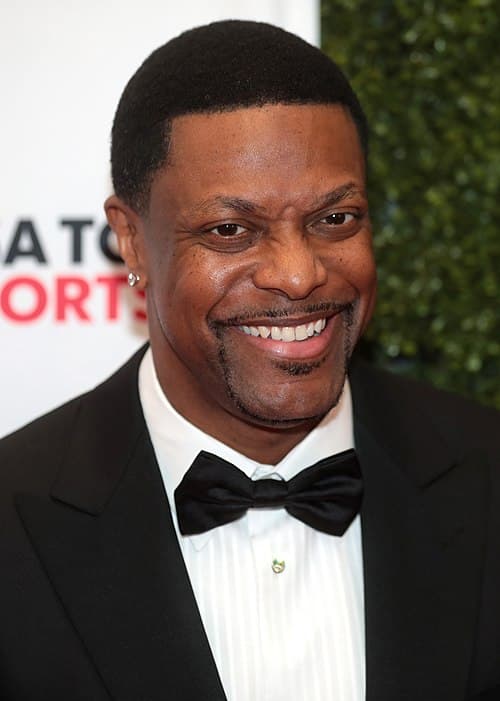
Chris Tucker
PERSON24 w/ Rahman·10 w/ Salerno
the Southern District
LOCATION15 w/ Rahman·18 w/ Salerno
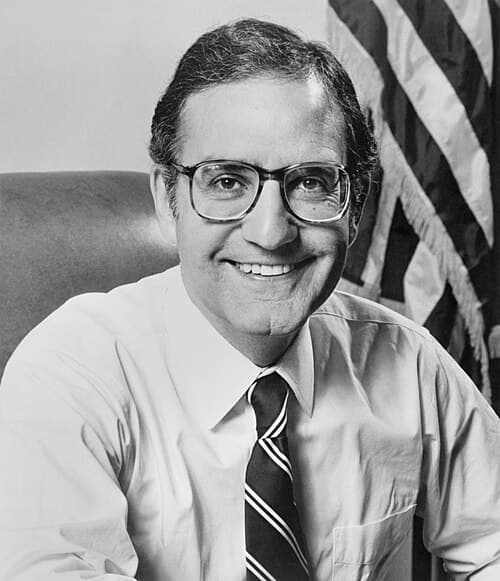
George Mitchell
PERSON18 w/ Rahman·13 w/ Salerno
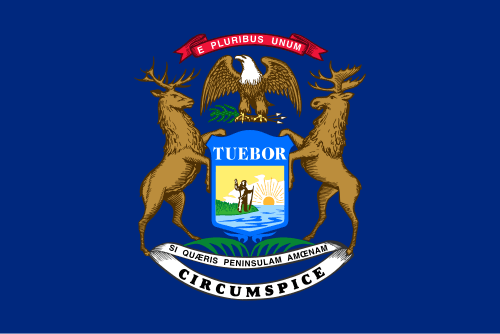
Michigan
LOCATION20 w/ Rahman·10 w/ Salerno
Scarlett Johansson
PERSON18 w/ Rahman·12 w/ Salerno
Southern District of New York
ORGANIZATION11 w/ Rahman·19 w/ Salerno
Supreme Court
ORGANIZATION16 w/ Rahman·13 w/ Salerno
Stephen Hawking
PERSON15 w/ Rahman·14 w/ Salerno
MW
Martin Weinberg
PERSON15 w/ Rahman·14 w/ Salerno
Minnesota
LOCATION16 w/ Rahman·12 w/ Salerno
WA
Walsh
PERSON18 w/ Rahman·10 w/ Salerno
TH
Thompson
PERSON15 w/ Rahman·12 w/ Salerno
Prince Andrew
PERSON19 w/ Rahman·8 w/ Salerno