Back to Network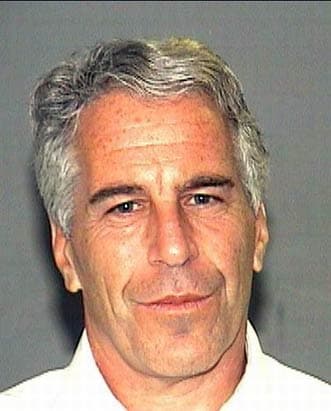









10
Shared Docs
10
Same-Page
10 / 15
Mentions
Document Mentions (10 shared documents)
3 mentions1 same-page
Page ?Same page
t that argument ignores a fundamental tenet of conspiracy law. It is axiomatic that a conspiracy does not require a completed substantive crime. See Salinas v. United States, 522 U.S. 52, 65 (1997) ("It is elementary that a conspiracy may exist and be punished whether or not the substantive crime ensure
ill be granted only where the challenged allegations are `not relevant to the crime charged and are inflammatory or prejudicial."' United States v. Scarpa, 913 F.2d 993, 1013 (2d Cir. 1990) (quoting United States v. Napolitano, 552 F. Supp. 465, 480 (S.D.N.Y. 1982)). " 4[I]f evidence of the allegation
await presentation of the Government's evidence at trial before ruling on a motion to strike." Mostafa, 965 F. Supp. 2d at 467 (citing, inter alia,Scarpa, 913 F.2d at 1012); see also United States v. Ahmed, No. 10 Cr. 131 (PKC), 2011 WL 5041456, at *3 (S.D.N.Y. Oct 21, 2011). As multiple courts have c
3 mentions1 same-page
Page ?Same page
t that argument ignores a fundamental tenet of conspiracy law. It is axiomatic that a conspiracy does not require a completed substantive crime. See Salinas v. United States, 522 U.S. 52, 65 (1997) ("It is elementary that a conspiracy may exist and be punished whether or not the substantive crime ensure
ill be granted only where the challenged allegations are 'not relevant to the crime charged and are inflammatory or prejudicial.'" United States v. Scarpa, 913 F.2d 993, 1013 (2d Cir. 1990) (quoting United States v. Napolitano, 552 F. Supp. 465, 480 (S.D.N.Y. 1982)). "'Ulf evidence of the allegation is
await presentation of the Government's evidence at trial before ruling on a motion to strike." Mostafa, 965 F. Supp. 2d at 467 (citing, inter alia, Scarpa, 913 F.2d at 1012); see also United States v. Ahmed, No. 10 Cr. 131 (PKC), 2011 WL 5041456, at *3 (S.D.N.Y. Oct. 21, 2011). As multiple courts have
3 mentions1 same-page
Page ?Same page
t that argument ignores a fundamental tenet of conspiracy law. It is axiomatic that a conspiracy does not require a completed substantive crime. See Salinas v. United States, 522 U.S. 52, 65 (1997) ("It is elementary that a conspiracy may exist and be punished whether or not the substantive crime ensure
ill be granted only where the challenged allegations are 'not relevant to the crime charged and are inflammatory or prejudicial.'" United States v. Scarpa, 913 F.2d 993, 1013 (2d Cir. 1990) (quoting United States v. Napolitano, 552 F. Supp. 465, 480 (S.D.N.Y. 1982)). "'Ulf evidence of the allegation is
await presentation of the Government's evidence at trial before ruling on a motion to strike." Mostafa, 965 F. Supp. 2d at 467 (citing, inter alia, Scarpa, 913 F.2d at 1012); see also United States v. Ahmed, No. 10 Cr. 131 (PKC), 2011 WL 5041456, at *3 (S.D.N.Y. Oct. 21, 2011). As multiple courts have
Sponsored
3 mentions1 same-page
Page ?Same page
t that argument ignores a fundamental tenet of conspiracy law. It is axiomatic that a conspiracy does not require a completed substantive crime. See Salinas v. United States, 522 U.S. 52, 65 (1997) ("It is elementary that a conspiracy may exist and be punished whether or not the substantive crime ensure
will be granted only where the challenged allegations are 'not relevant to the crime charged and are inflammatory or prejudicial.' United States v. Scarpa, 913 F.2d 993, 1013 (2d Cir. 1990) (quoting United States v. Napolitano, 552 F. Supp. 465, 480 (S.D.N.Y. 1982)). "[I]f evidence of the allegation is
await presentation of the Government's evidence at trial before ruling on a motion to strike." Mostafa, 965 F. Supp. 2d at 467 (citing, inter alia, Scarpa, 913 F.2d at 1012); see also United States v. Ahmed, 10 Cr. 131 (PKC), 2011 WL 5041456, at *3 (S.D.N.Y. Oct. 21, 2011). As multiple courts have conc
3 mentions1 same-page
Page ?Same page
t that argument ignores a fundamental tenet of conspiracy law. It is axiomatic that a conspiracy does not require a completed substantive crime. See Salinas v. United States, 522 U.S. 52, 65 (1997) ("It is elementary that a conspiracy may exist and be punished whether or not the substantive crime ensure
will be granted only where the challenged allegations are 'not relevant to the crime charged and are inflammatory or prejudicial.' United States v. Scarpa, 913 F.2d 993, 1013 (2d Cir. 1990) (quoting United States v. Napolitano, 552 F. Supp. 465, 480 (S.D.N.Y. 1982)). "'Ulf evidence of the allegation is
await presentation of the Government's evidence at trial before ruling on a motion to strike." Mostafa, 965 F. Supp. 2d at 467 (citing, inter alia, Scarpa, 913 F.2d at 1012); see also United States v. Ahmed, No. 10 Cr. 131 (PKC), 2011 WL 5041456, at *3 (S.D.N.Y. Oct. 21, 2011). As multiple courts have
2 mentions1 same-page
Page ?Same page
United States, 165 U.S. 257 (1897) 296 Russell v. United States, 369 U.S. 749 (1962) 229 Rutenberg v. United States, 245 U.S. 480 (1918) 292 Salinas v. United States, 522 U.S. 52 (1997) 245 San to hello v. United States, No. 94 Cr. (RPP), 1998 WL 113950 (S.D.N.Y. Mar. 13, 1998) 21 Sch. Dist.
United States v. Savage, 970 F.3d 217 (3d Cr. 2020) 302 United States v. Scala, 388 F. Supp. 2d 396 (S.D.N.Y. 2005) 67,68,71 United States v. Scarpa, 897 F.2d 63 (2d Cir. 1990) 69 United States v. Scarpa, 913 F.2d 993 (2d Cir. 1990) passim United States v. Schaefer, No. 17 Cr. 400 (HZ), 201
Sponsored
2 mentions1 same-page
Page ?Same page
United States, 165 U.S. 257 (1897) 296 Russell v. United States, 369 U.S. 749 (1962) 229 Rutenberg v. United States, 245 U.S. 480 (1918) 292 Salinas v. United States, 522 U.S. 52 (1997) 245 Santobello v. United States, No. 94 Cr. (RPP), 1998 WL 113950 (S.D.N.Y. Mar. 13, 1998) 21 Sch. Dist. N
Conzielle, 171 F.3d at 752 (citations omitted). The burden for proving both prongs of the standard rests squarely on the defendant. United States v. Scarpa, 913 F.3d 993, 1014 (2d Cir. 1990); United States v. Rubin, 609 F.2d 51, 66 (2d Cir. 1979); United States v. Ricco, 549 F.2d 264, 272 (2d Cir. 1977
2 mentions1 same-page
Page ?Same page
United States, 165 U.S. 257 (1897) 296 Russell v. United States, 369 U.S. 749 (1962) 229 Rutenberg v. United States, 245 U.S. 480 (1918) 292 Salinas v. United States, 522 U.S. 52 (1997) 245 Santobello v. United States, No. 94 Cr. (RPP), 1998 WL 113950 (S.D.N.Y. Mar. 13, 1998) 21 Sch. Dist. N
Conzielle, 171 F.3d at 752 (citations omitted). The burden for proving both prongs of the standard rests squarely on the defendant. United States v. Scarpa, 913 F.3d 993, 1014 (2d Cir. 1990); United States v. Rubin, 609 F.2d 51, 66 (2d Cir. 1979); United States v. Ricco, 549 F.2d 264, 272 (2d Cir. 1977
2 mentions1 same-page
Page ?Same page
United States, 165 U.S. 257 (1897) 203 Russell v. United States, 369 U.S. 749 (1962) 151 Rutenberg v. United States, 245 U.S. 480 (1918) 200 Salinas v. United States, 522 U.S. 52 (1997) 161 Santobello v. United States, No. 94 Cr. (RPP), 1998 WL 113950 (S.D.N.Y. Mar. 13, 1998) 18 Sch. Dist. N
Conzielle, 171 F.3d at 752 (citations omitted). The burden for proving both prongs of the standard rests squarely on the defendant. United States v. Scarpa, 913 F.3d 993, 1014 (2d Cir. 1990); United States v. Rubin, 609 F.2d 51, 66 (2d Cir. 1979); United States v. Ricco, 549 F.2d 264, 272 (2d Cir. 1977
Sponsored
2 mentions1 same-page
Page ?Same page
United States, 165 U.S. 257 (1897) 296 Russell v. United States, 369 U.S. 749 (1962) 229 Rutenberg v. United States, 245 U.S. 480 (1918) 292 Salinas v. United States, 522 U.S. 52 (1997) 245 Santobello v. United States, No. 94 Cr. (RPP), 1998 WL 113950 (S.D.N.Y. Mar. 13, 1998) 21 Sch. Dist. N
Cornielle, 171 F.3d at 752 (citations omitted). The burden for proving both prongs of the standard rests squarely on the defendant. United States v. Scarpa, 913 F.3d 993, 1014 (2d Cir. 1990); United States v. Rubin, 609 F.2d 51, 66 (2d Cir. 1979); United States v. 42 EFTA00103067 Ricco, 549 F.2d 264
Sponsored
Mutual Connections (648)
Entities connected to both Salinas and Scarpa
Jeffrey Epstein
PERSON25 w/ Salinas·17 w/ Scarpa
Ghislaine Maxwell
PERSON24 w/ Salinas·16 w/ Scarpa
United States
LOCATION22 w/ Salinas·15 w/ Scarpa
Julie K. Brown
PERSON18 w/ Salinas·14 w/ Scarpa
Minnesota
LOCATION17 w/ Salinas·13 w/ Scarpa
MF
Maria Farmer
PERSON18 w/ Salinas·12 w/ Scarpa
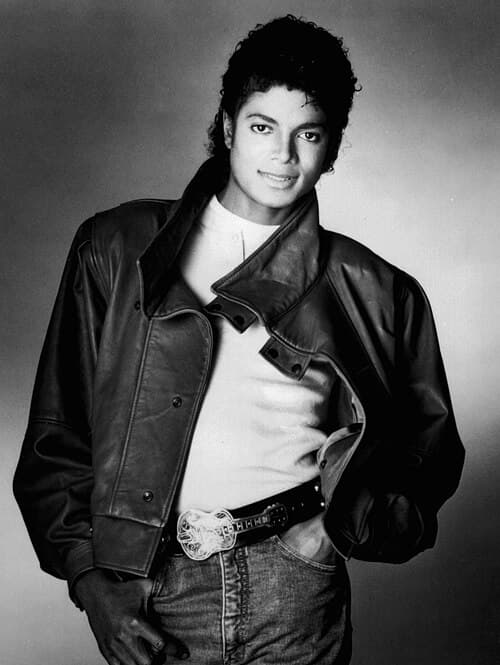
Michael Jackson
PERSON15 w/ Salinas·14 w/ Scarpa
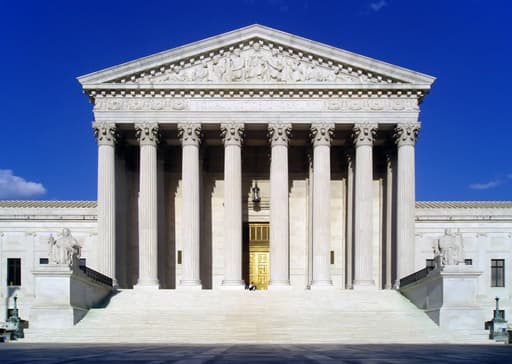
Supreme Court
ORGANIZATION16 w/ Salinas·13 w/ Scarpa
Scarlett Johansson
PERSON16 w/ Salinas·13 w/ Scarpa
Colorado
LOCATION13 w/ Salinas·14 w/ Scarpa
Sacramento
LOCATION13 w/ Salinas·13 w/ Scarpa
WA
Walsh
PERSON12 w/ Salinas·13 w/ Scarpa
George Mitchell
PERSON15 w/ Salinas·10 w/ Scarpa
WE
Werner
PERSON15 w/ Salinas·10 w/ Scarpa
TH
Thompson
PERSON12 w/ Salinas·12 w/ Scarpa
Southern District of New York
ORGANIZATION13 w/ Salinas·11 w/ Scarpa
the Southern District
LOCATION11 w/ Salinas·13 w/ Scarpa
Michigan
LOCATION12 w/ Salinas·12 w/ Scarpa
Eric Schmidt
PERSON10 w/ Salinas·13 w/ Scarpa
Chris Tucker
PERSON10 w/ Salinas·13 w/ Scarpa