Back to Network






5
Shared Docs
5
Same-Page
5 / 5
Mentions
Document Mentions (5 shared documents)
2 mentions1 same-page
Page ?Same page
mployed in a statute which had at the time a well-known meaning ... in the law of this country, they are presumed to have been used in that sense," Standard Oil Co. v. United States, 221 U.S. 1, 59 (1911), § 2255's reference to "legal disability" can only be interpreted as a reference to classic disabilities li
the removal of language from draft legislation as proof that the enacted bill carried the same meaning. Instead, courts draw the opposite inference. Russello 464 U.S. at 23-24 ("Where Congress includes limiting language in an earlier version of a bill but deletes it prior to enactment, it may be presumed tha
2 mentions1 same-page
Page ?Same page
mployed in a statute which had at the time a well-known meaning ... in the law of this country, they are presumed to have been used in that sense," Standard Oil Co. v. United States, 221 U.S. 1, 59 (1911), § 2255's reference to "legal disability" can only be interpreted as a reference to classic disabilities li
the removal of language from draft legislation as proof that the enacted bill carried the same meaning. Instead, courts draw the opposite inference. Russello 464 U.S. at 23-24 ("Where Congress includes limiting language in an earlier version of a bill but deletes it prior to enactment, it may be presumed tha
2 mentions1 same-page
Page ?Same page
mployed in a statute which had at the time a well-known meaning ... in the law of this country, they are presumed to have been used in that sense," Standard Oil Co. v. United States, 221 U.S. 1, 59 (1911), § 2255's reference to "legal disability" can only be interpreted as a reference to classic disabilities li
the removal of language from draft legislation as proof that the enacted bill carried the same meaning. Instead, courts draw the opposite inference. Russello 464 U.S. at 23-24 ("Where Congress includes limiting language in an earlier version of a bill but deletes it prior to enactment, it may be presumed tha
Sponsored
2 mentions1 same-page
Page ?Same page
mployed in a statute which had at the time a well-known meaning ... in the law of this country, they are presumed to have been used in that sense," Standard Oil Co. v. United States, 221 U.S. 1, 59 (1911), § 2255's reference to "legal disability" can only be interpreted as a reference to classic disabilities li
the removal of language from draft legislation as proof that the enacted bill carried the same meaning. Instead, courts draw the opposite inference. Russello 464 U.S. at 23-24 ("Where Congress includes limiting language in an earlier version of a bill but deletes it prior to enactment, it may be presumed tha
2 mentions1 same-page
Page ?Same page
mployed in a statute which had at the time a well-known meaning ... in the law of this country, they are presumed to have been used in that sense," Standard Oil Co. v. United States, 221 U.S. 1, 59 (1911), § 2255's reference to "legal disability" can only be interpreted as a reference to classic disabilities li
the removal of language from draft legislation as proof that the enacted bill carried the same meaning. Instead, courts draw the opposite inference. Russello 464 U.S. at 23-24 ("Where Congress includes limiting language in an earlier version of a bill but deletes it prior to enactment, it may be presumed tha
Sponsored
Mutual Connections (112)
Entities connected to both Standard Oil Co. and Russello 464
United States
LOCATION10 w/ Standard·7 w/ Russello
Jeffrey Epstein
PERSON9 w/ Standard·7 w/ Russello
LB
Leon Black
PERSON7 w/ Standard·7 w/ Russello
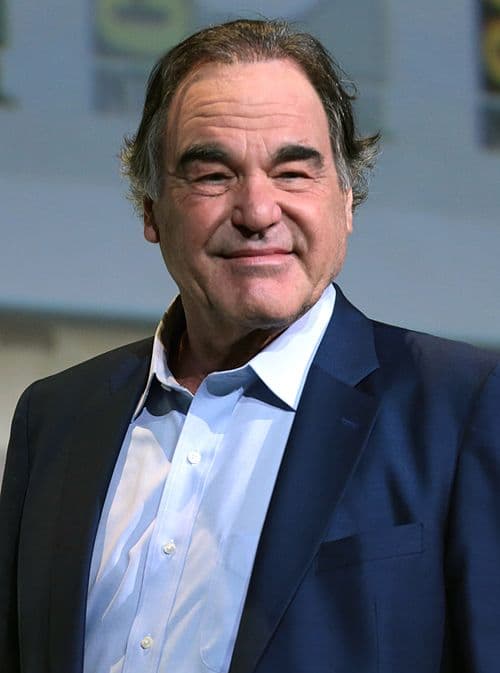
Oliver Stone
PERSON6 w/ Standard·7 w/ Russello
JD
Jane Doe
PERSON8 w/ Standard·5 w/ Russello
WA
Walker
PERSON8 w/ Standard·5 w/ Russello
H.R.
PERSON6 w/ Standard·7 w/ Russello
George W. Bush
PERSON6 w/ Standard·7 w/ Russello
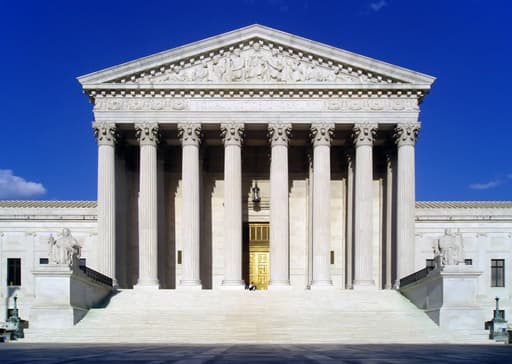
Supreme Court
ORGANIZATION7 w/ Standard·5 w/ Russello
Scarlett Johansson
PERSON7 w/ Standard·5 w/ Russello
MP
Michael J. Pike
PERSON6 w/ Standard·5 w/ Russello
TRW Inc.
ORGANIZATION6 w/ Standard·5 w/ Russello
Corley
PERSON6 w/ Standard·5 w/ Russello
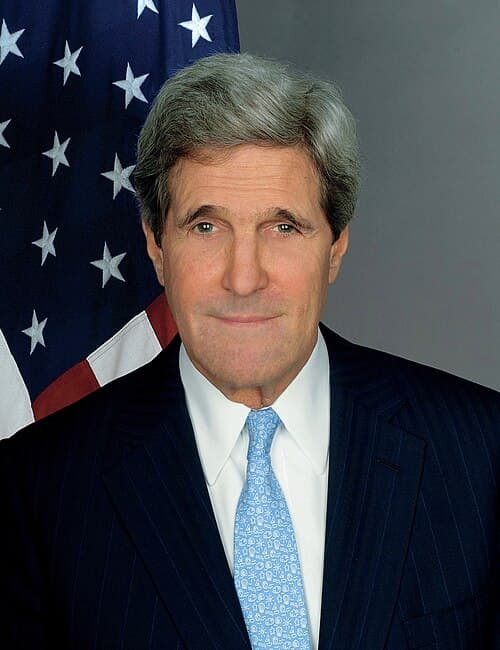
John Kerry
PERSON6 w/ Standard·5 w/ Russello
Prince Andrew
PERSON6 w/ Standard·5 w/ Russello
DIRECTV Inc.
ORGANIZATION6 w/ Standard·5 w/ Russello
the Congressional Research Service
ORGANIZATION6 w/ Standard·5 w/ Russello
Dillard Paper Co.
ORGANIZATION6 w/ Standard·5 w/ Russello
CBS, Inc.
ORGANIZATION6 w/ Standard·5 w/ Russello
Atterbury Goldberger & Weiss
ORGANIZATION6 w/ Standard·5 w/ Russello