Back to Network












5
Shared Docs
5
Same-Page
5 / 9
Mentions
Document Mentions (5 shared documents)
3 mentions1 same-page
Page ?Same page
except in the most extraordinary circumstances." Forde, 740 F.Supp.2d at 412 (citing Gaudin, 515 U.S. at 522-23). As the Supreme Court explained in Johnson v. United States, 520 U.S. 461 (1997), "there is no doubt that materiality is an element of perjury under § 1623," and its precedent "therefore dict
th Amendment rights are personal rights ... [that] may not be vicariously asserted."' United States v. Haqq, 278 F.3d 44, 47 (2d Cir. 2002) (quoting Rakas v. Illinois, 439 U.S. 128, 133-34 (1978)). Accordingly, a defendant's Fourth Amendment rights "are violated only when the challenged conduct invade
ent of a motion to suppress has the burden of establishing that his own Fourth Amendment rights were violated by the challenged search or seizure." Rakas, 439 U.S. at 130, n.1; see also Rawlings v. Kentucky, 448 U.S. 98, 104 (1980). Under the third party doctrine, the Fourth Amendment "does not prohi
3 mentions1 same-page
Page ?Same page
except in the most extraordinary circumstances." Forde, 740 F.Supp.2d at 412 (citing Gaudin, 515 U.S. at 522-23). As the Supreme Court explained in Johnson v. United States, 520 U.S. 461 (1997), "there is no doubt that materiality is an element of perjury under § 1623," and its precedent "therefore dict
th Amendment rights are personal rights ... [that] may not be vicariously asserted."' United States v. Haqq, 278 F.3d 44, 47 (2d Cir. 2002) (quoting Rakas v. Illinois, 439 U.S. 128, 133-34 (1978)). Accordingly, a defendant's Fourth Amendment rights "are violated only when the challenged conduct invade
ent of a motion to suppress has the burden of establishing that his own Fourth Amendment rights were violated by the challenged search or seizure." Rakas, 439 U.S. at 130, n.1; see also Rawlings v. Kentucky, 448 U.S. 98, 104 (1980). Under the third party doctrine, the Fourth Amendment "does not prohi
3 mentions1 same-page
Page ?Same page
except in the most extraordinary circumstances." Forde, 740 F.Supp.2d at 412 (citing Gaudin, 515 U.S. at 522-23). As the Supreme Court explained in Johnson v. United States, 520 U.S. 461 (1997), "there is no doubt that materiality is an element of perjury under § 1623," and its precedent "therefore dict
th Amendment rights are personal rights ... [that] may not be vicariously asserted."' United States v. Haqq, 278 F.3d 44, 47 (2d Cir. 2002) (quoting Rakas v. Illinois, 439 U.S. 128, 133-34 (1978)). Accordingly, a defendant's Fourth Amendment rights "are violated only when the challenged conduct invade
EFTA00095174 to suppress has the burden of establishing that his own Fourth Amendment rights were violated by the challenged search or seizure." Rakas, 439 U.S. at 130, n.1; see also Rawlings v. Kentucky, 448 U.S. 98, 104 (1980). Under the third party doctrine, the Fourth Amendment "does not prohi
Sponsored
3 mentions1 same-page
Page ?Same page
except in the most extraordinary circumstances." Forde, 740 F.Supp.2d at 412 (citing Gaudin, 515 U.S. at 522-23). As the Supreme Court explained in Johnson v. United States, 520 U.S. 461 (1997), "there is no doubt that materiality is an element of perjury under § 1623," and its precedent "therefore dict
th Amendment rights are personal rights ... [that] may not be vicariously asserted."' United States v. Haqq, 278 F.3d 44, 47 (2d Cir. 2002) (quoting Rakas v. Illinois, 439 U.S. 128, 133-34 (1978)). Accordingly, a defendant's Fourth Amendment rights "are violated only when the challenged conduct invade
ent of a motion to suppress has the burden of establishing that his own Fourth Amendment rights were violated by the challenged search or seizure." Rakas, 439 U.S. at 130, n.1; see also Rawlings v. Kentucky, 448 U.S. 98, 104 (1980). Under the third party doctrine, the Fourth Amendment "does not prohi
2 mentions1 same-page
Page ?Same page
except in the most extraordinary circumstances." Forde, 740 F.Supp.2d at 412 (citing Gaudin, 515 U.S. at 522-23). As the Supreme Court explained in Johnson v. United States, 520 U.S. 461 (1997), "there is no doubt that materiality is an element of perjury under § 1623," and its precedent "therefore dict
ent of a motion to suppress has the burden of establishing that his own Fourth Amendment rights were violated by the challenged search or seizure." Rakas, 439 U.S. at 130, n.1; see also Rawlings v. Kentucky, 448 U.S. 98, 104 (1980). Under the third party doctrine, the Fourth Amendment "does not prohi
Sponsored
Mutual Connections (259)
Entities connected to both Scarlett Johansson and Rakas
Jeffrey Epstein
PERSON1,425 w/ Scarlett·5 w/ Rakas
JD
Jane Doe
PERSON828 w/ Scarlett·4 w/ Rakas
Bradley Edwards
PERSON628 w/ Scarlett·5 w/ Rakas
United States
LOCATION525 w/ Scarlett·5 w/ Rakas
MF
Maria Farmer
PERSON388 w/ Scarlett·4 w/ Rakas
the Southern District
LOCATION340 w/ Scarlett·5 w/ Rakas
Julie K. Brown
PERSON317 w/ Scarlett·5 w/ Rakas
Ghislaine Maxwell
PERSON310 w/ Scarlett·5 w/ Rakas
Virginia Giuffre
PERSON266 w/ Scarlett·3 w/ Rakas
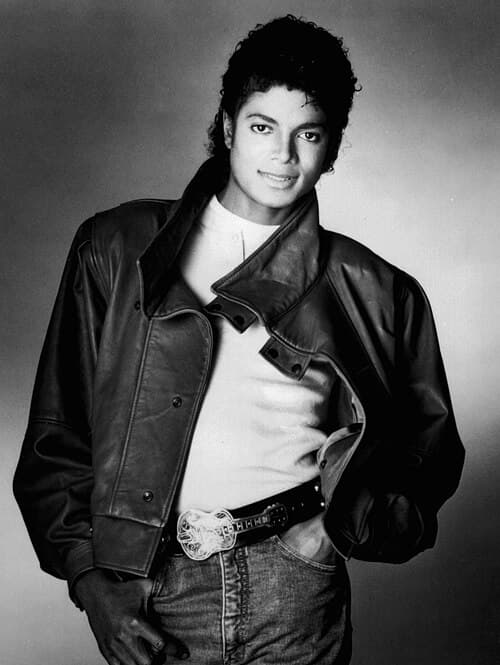
Michael Jackson
PERSON231 w/ Scarlett·5 w/ Rakas
Supreme Court
ORGANIZATION211 w/ Scarlett·5 w/ Rakas
Stephen Hawking
PERSON210 w/ Scarlett·5 w/ Rakas
MW
Martin Weinberg
PERSON190 w/ Scarlett·5 w/ Rakas
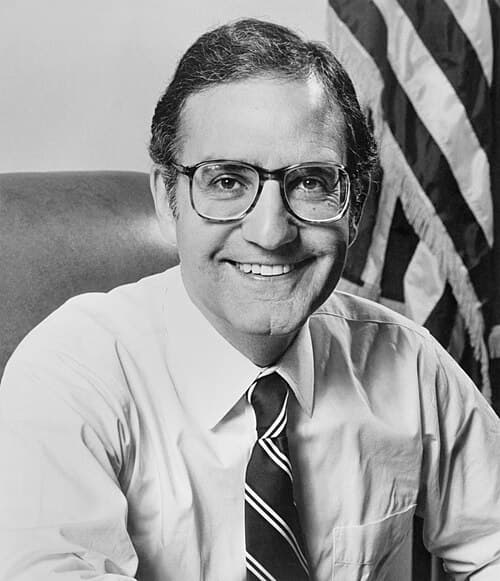
George Mitchell
PERSON188 w/ Scarlett·5 w/ Rakas
Colorado
LOCATION171 w/ Scarlett·5 w/ Rakas
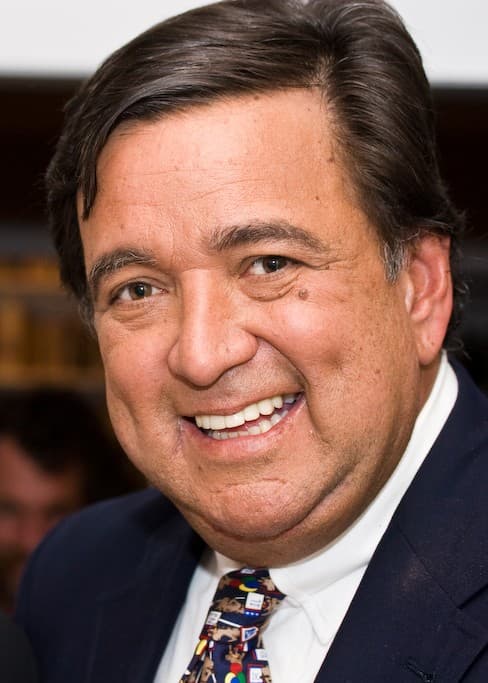
Bill Richardson
PERSON151 w/ Scarlett·5 w/ Rakas
Minnesota
LOCATION146 w/ Scarlett·5 w/ Rakas
Michigan
LOCATION143 w/ Scarlett·4 w/ Rakas
Chris Tucker
PERSON140 w/ Scarlett·5 w/ Rakas
Oregon
LOCATION124 w/ Scarlett·5 w/ Rakas