Back to Network



5
Shared Docs
5
Same-Page
5 / 5
Mentions
Document Mentions (5 shared documents)
2 mentions1 same-page
Page ?Same page
ejecting claim that a "failure to inform [the defendant] of the Fifth Amendment privilege barred use of his confession at trial"); United States v. Mitchell, 966 F.2d 92, 100 (2d Cir. 1992) ("Inculpatory statements are not involuntary when they result from a desire to cooperate, or from a defendant's ig
s "are violated only when the challenged conduct invaded his legitimate expectation of privacy rather than that of a third party." United States v. Payner, 447 U.S. 727, 731 (1980) (emphasis in original); see also United States v. Villegas, 899 F.2d 1324, 1333 (2d Cir. 1990). Ultimately, the Fourth Ame
2 mentions1 same-page
Page ?Same page
ejecting claim that a "failure to inform [the defendant] of the Fifth Amendment privilege barred use of his confession at trial"); United States v. Mitchell, 966 F.2d 92, 100 (2d Cir. 1992) ("Inculpatory statements are not involuntary when they result from a desire to cooperate, or from a defendant's ig
s "are violated only when the challenged conduct invaded his legitimate expectation of privacy rather than that of a third party." United States v. Payner, 447 U.S. 727, 731 (1980) (emphasis in original); see also United States v. Villegas, 899 F.2d 1324, 1333 (2d Cir. 1990). Ultimately, the Fourth Ame
2 mentions1 same-page
Page ?Same page
ejecting claim that a "failure to inform [the defendant] of the Fifth Amendment privilege barred use of his confession at trial"); United States v. Mitchell, 966 F.2d 92, 100 (2d Cir. 1992) ("Inculpatory statements are not involuntary when they result from a desire to cooperate, or from a defendant's ig
s "are violated only when the challenged conduct invaded his legitimate expectation of privacy rather than that of a third party." United States v. Payner, 447 U.S. 727, 731 (1980) (emphasis in original); see also United States v. Villegas, 899 F.2d 1324, 1333 (2d Cir. 1990). Ultimately, the Fourth Ame
Sponsored
2 mentions1 same-page
Page ?Same page
ejecting claim that a "failure to inform [the defendant] of the Fifth Amendment privilege barred use of his confession at trial"); United States v. Mitchell, 966 F.2d 92, 100 (2d Cir. 1992) ("Inculpatory statements are not involuntary when they result from a desire to cooperate, or from a defendant's ig
s "are violated only when the challenged conduct invaded his legitimate expectation of privacy rather than that of a third party." United States v. Payner, 447 U.S. 727, 731 (1980) (emphasis in original); see also United States v. Viliegas, 899 F.2d 1324, 1333 (2d Cir. 1990). Ultimately, the Fourth Ame
2 mentions1 same-page
Page ?Same page
ejecting claim that a "failure to inform [the defendant] of the Fifth Amendment privilege barred use of his confession at trial"); United States v. Mitchell, 966 F.2d 92, 100 (2d Cir. 1992) ("Inculpatory statements are not involuntary when they result from a desire to cooperate, or from a defendant's ig
s "are violated only when the challenged conduct invaded his legitimate expectation of privacy rather than that of a third party." United States v. Payner, 447 U.S. 727, 731 (1980) (emphasis in original); see also United States v. Villegas, 899 F.2d 1324, 1333 (2d Cir. 1990). Ultimately, the Fourth Ame
Sponsored
Mutual Connections (285)
Entities connected to both George Mitchell and Payner
Jeffrey Epstein
PERSON5,938 w/ George·13 w/ Payner
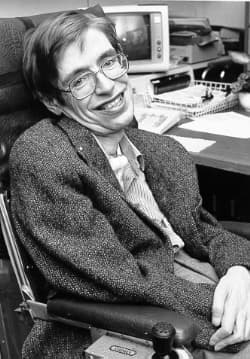
Stephen Hawking
PERSON436 w/ George·8 w/ Payner
Ghislaine Maxwell
PERSON406 w/ George·13 w/ Payner
United States
LOCATION338 w/ George·11 w/ Payner
Julie K. Brown
PERSON329 w/ George·12 w/ Payner
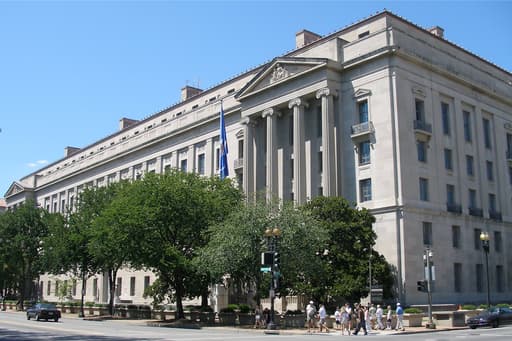
Department of Justice
ORGANIZATION305 w/ George·2 w/ Payner
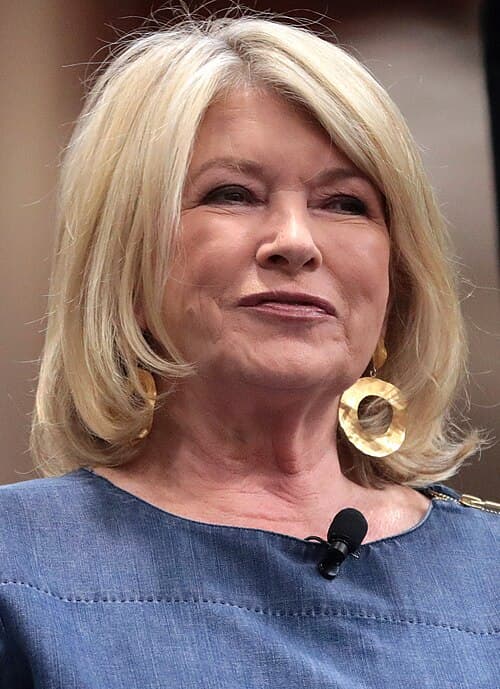
Martha Stewart
PERSON302 w/ George·3 w/ Payner
Virginia Giuffre
PERSON251 w/ George·3 w/ Payner
Michael Jackson
PERSON240 w/ George·5 w/ Payner
Bradley Edwards
PERSON208 w/ George·8 w/ Payner
MF
Maria Farmer
PERSON196 w/ George·4 w/ Payner
Scarlett Johansson
PERSON188 w/ George·5 w/ Payner
the Southern District
LOCATION164 w/ George·11 w/ Payner
Bill Richardson
PERSON155 w/ George·5 w/ Payner
Supreme Court
ORGANIZATION149 w/ George·10 w/ Payner
MW
Martin Weinberg
PERSON154 w/ George·5 w/ Payner
Michigan
LOCATION154 w/ George·4 w/ Payner
Robert Gates
PERSON153 w/ George·5 w/ Payner
Colorado
LOCATION137 w/ George·5 w/ Payner
David Boies
PERSON128 w/ George·13 w/ Payner