Back to Network



5
Shared Docs
5
Same-Page
5 / 5
Mentions
Document Mentions (5 shared documents)
2 mentions1 same-page
Page ?Same page
ejecting claim that a "failure to inform [the defendant] of the Fifth Amendment privilege barred use of his confession at trial"); United States v. Mitchell, 966 F.2d 92, 100 (2d Cir. 1992) ("Inculpatory statements are not involuntary when they result from a desire to cooperate, or from a defendant's ig
substitute for Fourth Amendment jurisprudence, which adequately safeguards against unlawful searches and seizures.' Lambus, 897 F.3d at 401 (quoting Ming He, 94 F.3d at 792); see also United States v. Payner, 447 U.S. 727, 737 (1980) ("the supervisory power does not extend so far" as to "confer on the j
2 mentions1 same-page
Page ?Same page
ejecting claim that a "failure to inform [the defendant] of the Fifth Amendment privilege barred use of his confession at trial"); United States v. Mitchell, 966 F.2d 92, 100 (2d Cir. 1992) ("Inculpatory statements are not involuntary when they result from a desire to cooperate, or from a defendant's ig
substitute for Fourth Amendment jurisprudence, which adequately safeguards against unlawful searches and seizures.' Lambus, 897 F.3d at 401 (quoting Ming He, 94 F.3d at 792); see also United States v. Payner, 447 U.S. 727, 737 (1980) ("the supervisory power does not extend so far" as to "confer on the j
2 mentions1 same-page
Page ?Same page
ejecting claim that a "failure to inform [the defendant] of the Fifth Amendment privilege barred use of his confession at trial"); United States v. Mitchell, 966 F.2d 92, 100 (2d Cir. 1992) ("Inculpatory statements are not involuntary when they result from a desire to cooperate, or from a defendant's ig
substitute for Fourth Amendment jurisprudence, which adequately safeguards against unlawful searches and seizures.' Lambus, 897 F.3d at 401 (quoting Ming He, 94 F.3d at 792); see also United States v. Payner, 447 U.S. 727, 737 (1980) ("the supervisory power does not extend so far" as to "confer on the j
Sponsored
2 mentions1 same-page
Page ?Same page
ejecting claim that a "failure to inform [the defendant] of the Fifth Amendment privilege barred use of his confession at trial"); United States v. Mitchell, 966 F.2d 92, 100 (2d Cir. 1992) ("Inculpatory statements are not involuntary when they result from a desire to cooperate, or from a defendant's ig
bstitute for Fourth Amendment jurisprudence, which adequately safeguards against unlawful searches and seizures.'" Lambus, 897 F.3d at 401 (quoting Ming He, 94 F.3d at 792); see also United States v. Payner, 447 U.S. 727, 737 (1980) ("the supervisory power does not extend so far" as to "confer on the j
2 mentions1 same-page
Page ?Same page
ejecting claim that a "failure to inform [the defendant] of the Fifth Amendment privilege barred use of his confession at trial"); United States v. Mitchell, 966 F.2d 92, 100 (2d Cir. 1992) ("Inculpatory statements are not involuntary when they result from a desire to cooperate, or from a defendant's ig
substitute for Fourth Amendment jurisprudence, which adequately safeguards against unlawful searches and seizures.' Lambus, 897 F.3d at 401 (quoting Ming He, 94 F.3d at 792); see also United States v. Payner, 447 U.S. 727, 737 (1980) ("the supervisory power does not extend so far" as to "confer on the j
Sponsored
Mutual Connections (280)
Entities connected to both George Mitchell and Ming He
Jeffrey Epstein
PERSON5,938 w/ George·7 w/ Ming
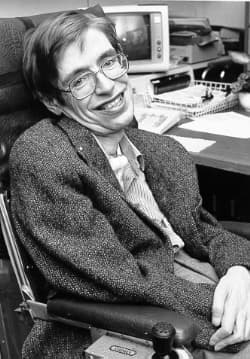
Stephen Hawking
PERSON436 w/ George·7 w/ Ming
Ghislaine Maxwell
PERSON406 w/ George·7 w/ Ming
United States
LOCATION338 w/ George·5 w/ Ming
Julie K. Brown
PERSON329 w/ George·6 w/ Ming
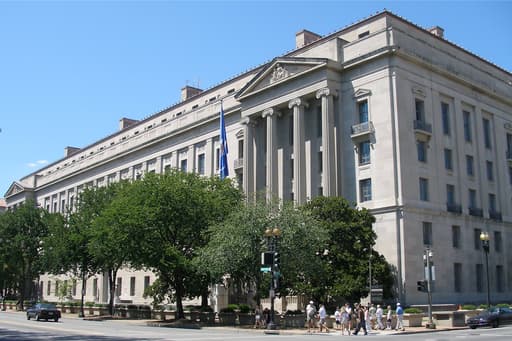
Department of Justice
ORGANIZATION305 w/ George·2 w/ Ming
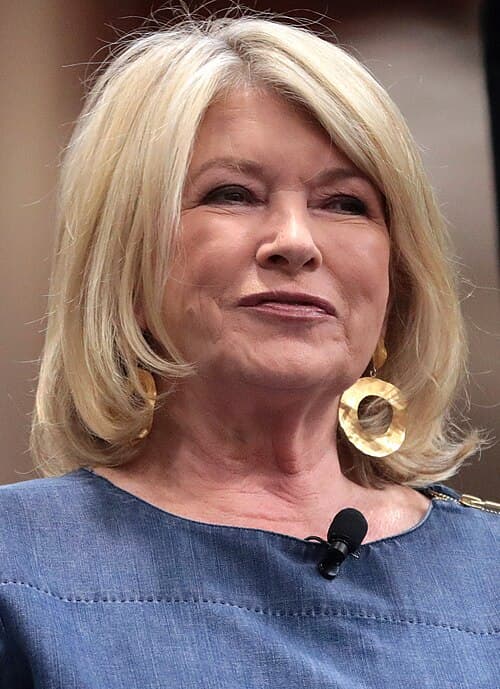
Martha Stewart
PERSON302 w/ George·2 w/ Ming
Virginia Giuffre
PERSON251 w/ George·3 w/ Ming
Michael Jackson
PERSON240 w/ George·5 w/ Ming
Bradley Edwards
PERSON208 w/ George·7 w/ Ming
MF
Maria Farmer
PERSON196 w/ George·4 w/ Ming
Scarlett Johansson
PERSON188 w/ George·5 w/ Ming
the Southern District
LOCATION164 w/ George·5 w/ Ming
Bill Richardson
PERSON155 w/ George·5 w/ Ming
MW
Martin Weinberg
PERSON154 w/ George·5 w/ Ming
Michigan
LOCATION154 w/ George·4 w/ Ming
Supreme Court
ORGANIZATION149 w/ George·5 w/ Ming
Colorado
LOCATION137 w/ George·5 w/ Ming
Chris Tucker
PERSON136 w/ George·5 w/ Ming
David Boies
PERSON128 w/ George·7 w/ Ming