Back to Network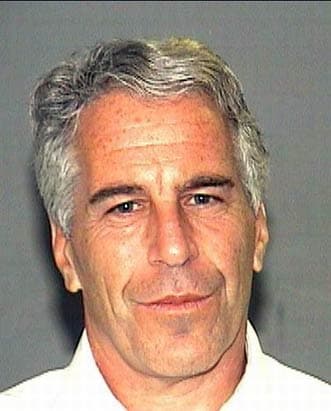







9
Shared Docs
9
Same-Page
9 / 9
Mentions
Document Mentions (9 shared documents)
2 mentions1 same-page
Page ?Same page
Boyd v. United States, 116 U.S. 616 (1886) 145 Branzburg v. Hayes, 408 U.S. 665 (1972) 110 Bridges v. United States, 346 U.S. 209 (1953) 53 Bronston v. United States, 409 U.S. 352 (1973) 181 Bryson v. United States, 396 U.S. 64 (1969) 147 Burgess v. United States, 552 U.S. 124 (2008) 51 C
1997) 300 United States v. Raymonda, 780 F.3d 105 (2d Cir. 2015) 124 United States v. Reeves, et al., 16 Cr. 372 (VEC) 286 United States v. Remington, 208 F.2d 567 (2d Cir. 1953) 146 United States v. Resendiz-Ponce, 549 U.S. 102 (2007) 227, 235 United States v. Ricco, 549 F.2d 264 (2d Cir.
2 mentions1 same-page
Page ?Same page
Boyd v. United States, 116 U.S. 616 (1886) 145 Branzburg v. Hayes, 408 U.S. 665 (1972) 110 Bridges v. United States, 346 U.S. 209 (1953) 53 Bronston v. United States, 409 U.S. 352 (1973) 181 Bryson v. United States, 396 U.S. 64 (1969) 147 Burgess v. United States, 552 U.S. 124 (2008) 51 C
. 1997) 300 United States v. Raymonda, 780 F.3d 105 (2d Cir. 2015) 124 United States v. Reeves, et al., 16 Cr. 372 (VEC) 286 United States v. Remington, 208 F.2d 567 (2d Cir. 1953) 146 United States v. Resendiz-Ponce, 549 U.S. 102 (2007) 227, 235 United States v. Ricco, 549 F.2d 264 (2d Cir. 1
2 mentions1 same-page
Page ?Same page
or can a conviction rest on answers that are literally true but unresponsive, and therefore "arguably misleading by negative implication." Id.; see Bronston v. United States, 409 U.S. 352, 362 (1973). But when "the answer is false, the fact that it is unresponsive is immaterial." United States v. Corr, 5
till be used to prosecute that defendant for perjury." United States v. Olivieri, 740 F. Supp. 2d 423, 425 (S.D.N.Y. 2010) (citing United States v. Remington, 208 F.2d 567 (2d Cir. 1953); United States v. Winter, 348 F.2d 204 (2d Cir. 1965)); see also United States v. Wong, 431 U.S. 174, 180 (1977) ("[P]e
Sponsored
2 mentions1 same-page
Page ?Same page
Boyd v. United States, 116 U.S. 616 (1886) 145 Branzburg v. Hayes, 408 U.S. 665 (1972) 110 Bridges v. United States, 346 U.S. 209 (1953) 53 Bronston v. United States, 409 U.S. 352 (1973) 181 Bryson v. United States, 396 U.S. 64 (1969) 147 Burgess v. United States, 552 U.S. 124 (2008) 51 C
. 1997) 300 United States v. Raymonda, 780 F.3d 105 (2d Cir. 2015) 124 United States v. Reeves, et al., 16 Cr. 372 (VEC) 286 United States v. Remington, 208 F.2d 567 (2d Cir. 1953) 146 United States v. Resendiz-Ponce, 549 U.S. 102 (2007) 227, 235 United States v. Ricco, 549 F.2d 264 (2d Cir. 1
2 mentions1 same-page
Page ?Same page
or can a conviction rest on answers that are literally true but unresponsive, and therefore "arguably misleading by negative implication." Id.; see Bronston v. United States, 409 U.S. 352, 362 (1973). But when "the answer is false, the fact that it is unresponsive is immaterial." United States v. Corr, 5
till be used to prosecute that defendant for perjury." United States v. Olivieri, 740 F. Supp. 2d 423, 425 (S.D.N.Y. 2010) (citing United States v. Remington, 208 F.2d 567 (2d Cir. 1953); United States v. Winter, 348 F.2d 204 (2d Cir. 1965)); see also United States v. Wong, 431 U.S. 174, 180 (1977) ("[P]e
2 mentions1 same-page
Page ?Same page
ates, 116 U.S. 616 (1886) 101 iv EFTA00095071 Branzburg v. Hayes, 408 U.S. 665 (1972) 78 Bridges v. United States, 346 U.S. 209 (1953) 38 Bronston v. United States, 409 U.S. 352 (1973) 121 Bryson v. United States, 396 U.S. 64 (1969) 101 Burgess v. United States, 552 U.S. 124 (2008) 37 C
010) 116 United States v. Ramnath, 131 F.3d 132 (2d Cir. 1997) 208 United States v. Raymonda, 780 F.3d 105 (2d Cir. 2015) 87 United States v. Remington, 208 F.2d 567 (2d Cir. 1953) 101 United States v. Resendiz-Ponce, 549 U.S. 102 (2007) 150, 155 xviii EFTA00095085 United States v. Ricco, 5
Sponsored
2 mentions1 same-page
Page ?Same page
or can a conviction rest on answers that are literally true but unresponsive, and therefore "arguably misleading by negative implication." Id.; see Bronston v. United States, 409 U.S. 352, 362 (1973). But when "the answer is false, the fact that it is unresponsive is immaterial." United States v. Corr, 5
till be used to prosecute that defendant for perjury." United States v. Olivieri, 740 F. Supp. 2d 423, 425 (S.D.N.Y. 2010) (citing United States v. Remington, 208 F.2d 567 (2d Cir. 1953); United States v. Winter, 348 F.2d 204 (2d Cir. 1965)); see also United States v. Wong, 431 U.S. 174, 180 (1977) ("[P]e
2 mentions1 same-page
Page ?Same page
Boyd v. United States, 116 U.S. 616 (1886) 145 Branzburg v. Hayes, 408 U.S. 665 (1972) 110 Bridges v. United States, 346 U.S. 209 (1953) 53 Bronston v. United States, 409 U.S. 352 (1973) 181 Bryson v. United States, 396 U.S. 64 (1969) 147 Burgess v. United States, 552 U.S. 124 (2008) 51 C
1997) 300 United States v. Raymonda, 780 F.3d 105 (2d Cir. 2015) 124 United States v. Reeves, et al., 16 Cr. 372 (VEC) 286 United States v. Remington, 208 F.2d 567 (2d Cir. 1953) 146 United States v. Resendiz-Ponce, 549 U.S. 102 (2007) 227, 235 United States v. Ricco, 549 F.2d 264 (2d Cir.
2 mentions1 same-page
Page ?Same page
or can a conviction rest on answers that are literally true but unresponsive, and therefore "arguably misleading by negative implication." Id.; see Bronston v. United States, 409 U.S. 352, 362 (1973). But when "the answer is false, the fact that it is unresponsive is immaterial." United States v. Corr, 5
till be used to prosecute that defendant for perjury." United States v. Olivieri, 740 F. Supp. 2d 423, 425 (S.D.N.Y. 2010) (citing United States v. Remington, 208 F.2d 567 (2d Cir. 1953); United States v. Winter, 348 F.2d 204 (2d Cir. 1965)); see also United States v. Wong, 431 U.S. 174, 180 (1977) ("[P]e
Sponsored
Mutual Connections (513)
Entities connected to both Boston and Remington
Jeffrey Epstein
PERSON61 w/ Boston·25 w/ Remington
Ghislaine Maxwell
PERSON17 w/ Boston·13 w/ Remington
Lesley Groff
PERSON21 w/ Boston·7 w/ Remington
MW
Martin Weinberg
PERSON16 w/ Boston·10 w/ Remington
United States
LOCATION15 w/ Boston·11 w/ Remington
Scarlett Johansson
PERSON12 w/ Boston·12 w/ Remington
Colorado
LOCATION10 w/ Boston·13 w/ Remington
Julie K. Brown
PERSON9 w/ Boston·14 w/ Remington
North Carolina
LOCATION12 w/ Boston·11 w/ Remington
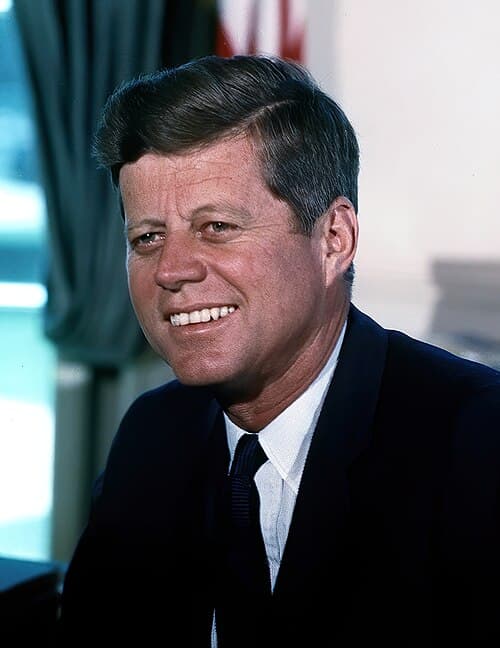
John F. Kennedy
PERSON15 w/ Boston·8 w/ Remington
George Mitchell
PERSON10 w/ Boston·13 w/ Remington
Michael Jackson
PERSON11 w/ Boston·12 w/ Remington
Bradley Edwards
PERSON12 w/ Boston·11 w/ Remington
the Southern District
LOCATION12 w/ Boston·11 w/ Remington
MF
Maria Farmer
PERSON11 w/ Boston·11 w/ Remington
DI
Darren Indyke
PERSON15 w/ Boston·7 w/ Remington
Oregon
LOCATION12 w/ Boston·10 w/ Remington
Chris Tucker
PERSON9 w/ Boston·13 w/ Remington
Anderson
PERSON10 w/ Boston·12 w/ Remington
WA
Walsh
PERSON10 w/ Boston·12 w/ Remington