Back to Network









10
Shared Docs
10
Same-Page
10 / 15
Mentions
Document Mentions (10 shared documents)
3 mentions1 same-page
Page ?Same page
favored and strongly suggested that the absolute disparity theory is generally appropriate, see Rioux, 97 F.3d at 655-56; see also United States v. Barnes, 520 F. Supp. 2d 510,514 (S.D.N.Y.2007) ("Mlle absolute disparity approach is the primary approach used in this Circuit."). The "absolute disparity
s "'an impermissible attempt to compel the Government to provide the 176 EFTA00100143 evidentiary details of its case"' (quoting United States v. Biaggi, 675 F. Supp. 790, 810 (S.D.N.Y. 1987)). A bill of particulars should not be misused to compel the Government to disclose "the manner in which it
r was not focused on the construction of the qualified wheel, different "relevant jury pools" have been used by the Second Circuit. Most notably, in Biaggi, the main thrust of the defendant's fair cross-section claim was that reliance on voter registration lists systemically excluded African-Americans
3 mentions1 same-page
Page ?Same page
favored and strongly suggested that the absolute disparity theory is generally appropriate, see Rioux, 97 F.3d at 655-56; see also United States v. Barnes, 520 F. Supp. 2d 510, 514 (S.D.N.Y. 2007) ("[T]he absolute disparity approach is the primary approach used in this Circuit."). The "absolute dispar
as "'an impermissible attempt to compel the Government to provide the 176 EFTA00077808 evidentiary details of its case' (quoting United States v. Biaggi, 675 F. Supp. 790, 810 (S.D.N.Y. 1987)). A bill of particulars should not be misused to compel the Government to disclose "the manner in which it
r was not focused on the construction of the qualified wheel, different "relevant jury pools" have been used by the Second Circuit. Most notably, in Biaggi, the main thrust of the defendant's fair cross-section claim was that reliance on voter registration lists systemically excluded African-Americans
3 mentions1 same-page
Page ?Same page
favored and strongly suggested that the absolute disparity theory is generally appropriate, see Rioux, 97 F.3d at 655-56; see also United States v. Barnes, 520 F. Supp. 2d 510, 514 (S.D.N.Y. 2007) ("[T]he absolute disparity approach is the primary approach used in this Circuit."). The "absolute dispar
as "'an impermissible attempt to compel the Government to provide the 176 EFTA00039623 evidentiary details of its case' (quoting United States v. Biaggi, 675 F. Supp. 790, 810 (S.D.N.Y. 1987)). A bill of particulars should not be misused to compel the Government to disclose "the manner in which it
r was not focused on the construction of the qualified wheel, different "relevant jury pools" have been used by the Second Circuit. Most notably, in Biaggi, the main thrust of the defendant's fair cross-section claim was that reliance on voter registration lists systemically excluded African-Americans
Sponsored
3 mentions1 same-page
Page ?Same page
favored and strongly suggested that the absolute disparity theory is generally appropriate, see Rioux, 97 F.3d at 655-56; see also United States v. Barnes, 520 F. Supp. 2d 510, 514 (S.D.N.Y. 2007) ("[T]he absolute disparity approach is the primary approach used in this Circuit."). The "absolute dispar
r was not focused on the construction of the qualified wheel, different "relevant jury pools" have been used by the Second Circuit. Most notably, in Biaggi, the main thrust of the defendant's fair cross-section claim was that reliance on voter registration lists systemically excluded African-Americans
particulars request as "'an impermissible attempt to compel the Government to provide the evidentiary details of its case" (quoting United States v. Biaggi, 675 F. Supp. 790, 810 (S.D.N.Y. 1987)). A bill of particulars should not be misused to compel the Government to disclose "the manner in which it
3 mentions1 same-page
Page ?Same page
avored and strongly suggested that the absolute disparity theory is generally appropriate, see Rioter, 97 F.3d at 655-56; see also United States v. Barnes, 520 F. Supp. 2d 510, 514 (S.D.N.Y. 2007) ("[T]he absolute disparity approach is the primary approach used in this Circuit."). The "absolute dispar
as "'an impermissible attempt to compel the Government to provide the 176 EFTA00103201 evidentiary details of its case' (quoting United States v. Biaggi, 675 F. Supp. 790, 810 (S.D.N.Y. 1987)). A bill of particulars should not be misused to compel the Government to disclose "the manner in which it
r was not focused on the construction of the qualified wheel, different "relevant jury pools" have been used by the Second Circuit. Most notably, in Biaggi, the main thrust of the defendant's fair cross-section claim was that reliance on voter registration lists systemically excluded African-Americans
2 mentions1 same-page
Page ?Same page
(E.D.N.Y. 2010) 300 United States v. Barlow, 732 F. Supp. 2d I (E.D.N.Y. 2010), aff'd, 479 F. App'x 372 (2d Cir. 2012) 300, 302 United States v. Barnes, 520 F. Supp. 2d 510 (S.D.N.Y. 2007) 300 United States v. Batchelder, 442 U.S. 114 (1979) 265 United States v. Bejasa, 904 F.2d 137 (2d Cir. 1
United States v. Ben Zvi, 242 F.3d 89 (2d Cir. 2001) 41 United States v. Benussi, 216 F. Supp. 2d 299 (S.D.N.Y. 2002) 248, 250 United States v. Biaggi, 675 F. Supp. 790 (S.D.N.Y. 1987) 268 United States v. Biaggi, 909 F.2d 662 (2d Cir. 1990) 298, 300 United States v. Bin Laden, 91 F. Supp. 2d
Sponsored
2 mentions1 same-page
Page ?Same page
(E.D.N.Y. 2010) 300 United States v. Barlow, 732 F. Supp. 2d 1 (E.D.N.Y. 2010), aff'd, 479 F. App'x 372 (2d Cir. 2012) 300, 302 United States v. Barnes, 520 F. Supp. 2d 510 (S.D.N.Y. 2007) 300 United States v. Batchelder, 442 U.S. 114 (1979) 265 United States v. Bejasa, 904 F.2d 137 (2d Cir. 1
United States v. Ben Zvi, 242 F.3d 89 (2d Cir. 2001) 41 United States v. Benussi, 216 F. Supp. 2d 299 (S.D.N.Y. 2002) 248, 250 United States v. Biaggi, 675 F. Supp. 790 (S.D.N.Y. 1987) 268 United States v. Biaggi, 909 F.2d 662 (2d Cir. 1990) 298, 300 United States v. Bin Laden, 91 F. Supp. 2d
2 mentions1 same-page
Page ?Same page
(E.D.N.Y. 2010) 300 United States v. Barlow, 732 F. Supp. 2d 1 (E.D.N.Y. 2010), aff'd, 479 F. App'x 372 (2d Cir. 2012) 300, 302 United States v. Barnes, 520 F. Supp. 2d 510 (S.D.N.Y. 2007) 300 United States v. Batchelder, 442 U.S. 114 (1979) 265 United States v. Bejasa, 904 F.2d 137 (2d Cir. 1
United States v. Ben Zvi, 242 F.3d 89 (2d Cir. 2001) 41 United States v. Benussi, 216 F. Supp. 2d 299 (S.D.N.Y. 2002) 248, 250 United States v. Biaggi, 675 F. Supp. 790 (S.D.N.Y. 1987) 268 United States v. Biaggi, 909 F.2d 662 (2d Cir. 1990) 298, 300 United States v. Bin Laden, 91 F. Supp. 2d
2 mentions1 same-page
Page ?Same page
ted States v. Bahna, 68 F.3d 19 (2d Cir. 1995) passim United States v. Barlow, 732 F. Supp. 2d 1 (E.D.N.Y. 2010) 207, 208, 210 United States v. Barnes, 520 F. Supp. 2d 510 (S.D.N.Y. 2007) 207 United States v. Batchelder, 442 U.S. 114 (1979) 173 United States v. Bejasa, 904 F.2d 137 (2d Cir. 1
United States v. Ben Zvi, 242 F.3d 89 (2d Cir. 2001) 31 United States v. Benussi, 216 F. Supp. 2d 299 (S.D.N.Y. 2002) 163, 164 United States v. Biaggi, 675 F. Supp. 790 (S.D.N.Y. 1987) 176 United States v. Biaggi, 909 F.2d 662 (2d Cir. 1990) 205, 208 ix EFTA00095076 United States v. Bin Lad
Sponsored
2 mentions1 same-page
Page ?Same page
(E.D.N.Y. 2010) 300 United States v. Barlow, 732 F. Supp. 2d 1 (E.D.N.Y. 2010), aff'd, 479 F. App'x 372 (2d Cir. 2012) 300, 302 United States v. Barnes, 520 F. Supp. 2d 510 (S.D.N.Y. 2007) 300 United States v. Batchelder, 442 U.S. 114 (1979) 265 United States v. Bejasa, 904 F.2d 137 (2d Cir. 1
United States v. Ben Zvi, 242 F.3d 89 (2d Cir. 2001) 41 United States v. Benussi, 216 F. Supp. 2d 299 (S.D.N.Y. 2002) 248, 250 United States v. Biaggi, 675 F. Supp. 790 (S.D.N.Y. 1987) 268 United States v. Biaggi, 909 F.2d 662 (2d Cir. 1990) 298, 300 United States v. Bin Laden, 91 F. Supp. 2d
Sponsored
Mutual Connections (465)
Entities connected to both Barneys New York and Biaggi
Jeffrey Epstein
PERSON239 w/ Barneys·11 w/ Biaggi
United States
LOCATION114 w/ Barneys·11 w/ Biaggi
LB
Leon Black
PERSON116 w/ Barneys·6 w/ Biaggi
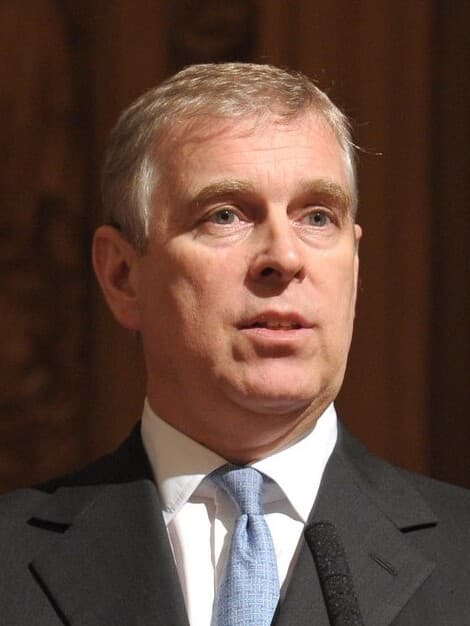
Prince Andrew
PERSON111 w/ Barneys·5 w/ Biaggi
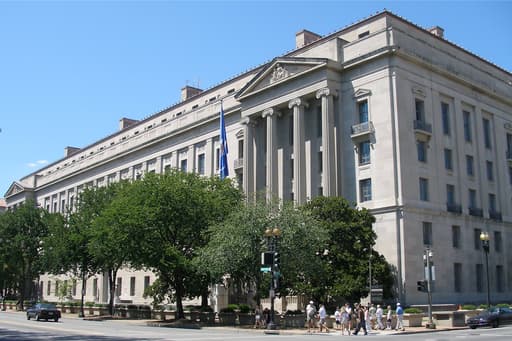
Department of Justice
ORGANIZATION102 w/ Barneys·6 w/ Biaggi
Ghislaine Maxwell
PERSON96 w/ Barneys·10 w/ Biaggi
Scarlett Johansson
PERSON94 w/ Barneys·11 w/ Biaggi
Julie K. Brown
PERSON99 w/ Barneys·5 w/ Biaggi
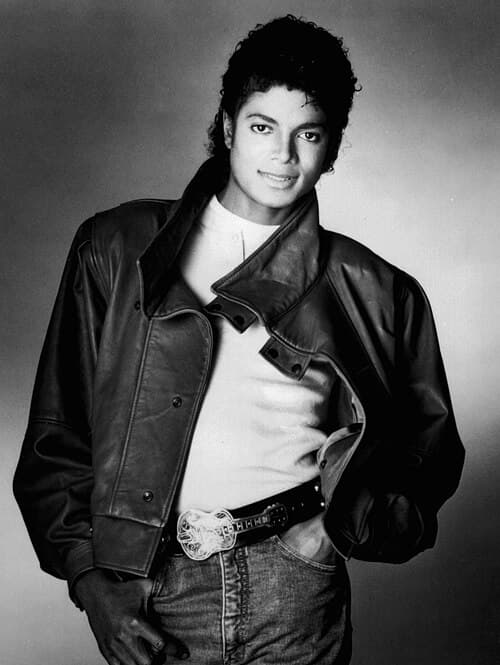
Michael Jackson
PERSON97 w/ Barneys·5 w/ Biaggi
Virginia Giuffre
PERSON97 w/ Barneys·3 w/ Biaggi
ET
Emmy Taylor
PERSON89 w/ Barneys·10 w/ Biaggi
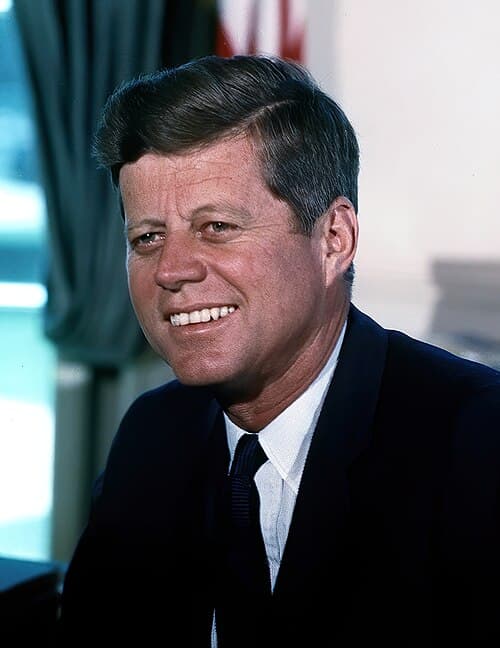
John F. Kennedy
PERSON82 w/ Barneys·10 w/ Biaggi
George W. Bush
PERSON85 w/ Barneys·5 w/ Biaggi
George Mitchell
PERSON81 w/ Barneys·5 w/ Biaggi
Colorado
LOCATION77 w/ Barneys·5 w/ Biaggi
Michigan
LOCATION74 w/ Barneys·5 w/ Biaggi
FBI
ORGANIZATION70 w/ Barneys·5 w/ Biaggi
Chris Tucker
PERSON70 w/ Barneys·5 w/ Biaggi
Minnesota
LOCATION70 w/ Barneys·5 w/ Biaggi
Supreme Court
ORGANIZATION64 w/ Barneys·6 w/ Biaggi