Back to Network














4
Shared Docs
4
Same-Page
4 / 4
Mentions
Document Mentions (4 shared documents)
2 mentions1 same-page
Page ?Same page
nces are intimately bound up in the idea of an impending technological singularity. His work on neuroscience and his initial support of McCulloch and Pitts adumbrated the startlingly effective deep-learning methods of the present day. Over the past decade, and particularly in the last five years, such de
ages, it uses thousands of times more energy than a human brain (a technological limitation that, as he also notes, may be temporary). Its victory in Jeopardy! was a genuine triumph, made possible by the formulaic restrictions of the Jeopardy! rules, but in order for it to compete, even these rules had to b
2 mentions1 same-page
Page ?Same page
ow it an abstract painting and see what it says. But it does a pretty good job. It works using the same neural-network technology that McCulloch and Pitts imagined in 1943 and lots of us worked on in the early eighties. Back in the 1980s, people successfully did OCR—optical character recognition. They t
its of beam-fabrication methods at around 10-nanometer feature size. Power (energy consumption) issues are also apparent: The great Watson, winner of Jeopardy!, used 85,000 watts real time, while the human brains were using 20 watts each. To be fair, the human body needs 100 watts to operate and twenty year
2 mentions1 same-page
Page ?Same page
nces are intimately bound up in the idea of an impending technological singularity. His work on neuroscience and his initial support of McCulloch and Pitts adumbrated the startlingly effective deep-learning methods of the present day. Over the past decade, and particularly in the last five years, such de
ages, it uses thousands of times more energy than a human brain (a technological limitation that, as he also notes, may be temporary). Its victory in Jeopardy! was a genuine triumph, made possible by the formulaic restrictions of the Jeopardy! rules, but in order for it to compete, even these rules had to b
Sponsored
2 mentions1 same-page
Page ?Same page
ow it an abstract painting and see what it says. But it does a pretty good job. It works using the same neural-network technology that McCulloch and Pitts imagined in 1943 and lots of us worked on in the early eighties. Back in the 1980s, people successfully did OCR—optical character recognition. They t
its of beam-fabrication methods at around 10-nanometer feature size. Power (energy consumption) issues are also apparent: The great Watson, winner of Jeopardy!, used 85,000 watts real time, while the human brains were using 20 watts each. To be fair, the human body needs 100 watts to operate and twenty year
Sponsored
Mutual Connections (724)
Entities connected to both Pitts and Jeopardy
Jeffrey Epstein
PERSON22 w/ Pitts·35 w/ Jeopardy
Joi Ito
PERSON2 w/ Pitts·26 w/ Jeopardy
Ghislaine Maxwell
PERSON14 w/ Pitts·9 w/ Jeopardy
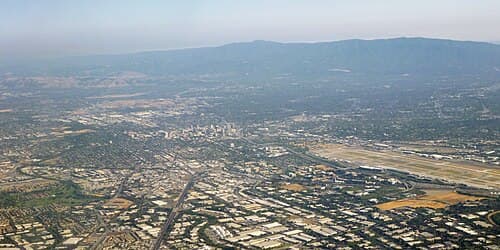
Silicon Valley
LOCATION2 w/ Pitts·21 w/ Jeopardy
George W. Bush
PERSON12 w/ Pitts·10 w/ Jeopardy
Marc Rich
PERSON9 w/ Pitts·12 w/ Jeopardy
Prince Andrew
PERSON10 w/ Pitts·8 w/ Jeopardy
Samantha Power
PERSON11 w/ Pitts·7 w/ Jeopardy
Barack Obama
PERSON8 w/ Pitts·9 w/ Jeopardy
Joe Biden
PERSON9 w/ Pitts·8 w/ Jeopardy
Eric Trump
PERSON10 w/ Pitts·7 w/ Jeopardy
Department of Justice
ORGANIZATION12 w/ Pitts·5 w/ Jeopardy
DB
Doug Band
PERSON10 w/ Pitts·7 w/ Jeopardy
Alan Dershowitz
PERSON9 w/ Pitts·6 w/ Jeopardy
LB
Leon Black
PERSON9 w/ Pitts·6 w/ Jeopardy
United States
LOCATION12 w/ Pitts·3 w/ Jeopardy
Julie K. Brown
PERSON7 w/ Pitts·7 w/ Jeopardy
Donald Trump
PERSON10 w/ Pitts·4 w/ Jeopardy
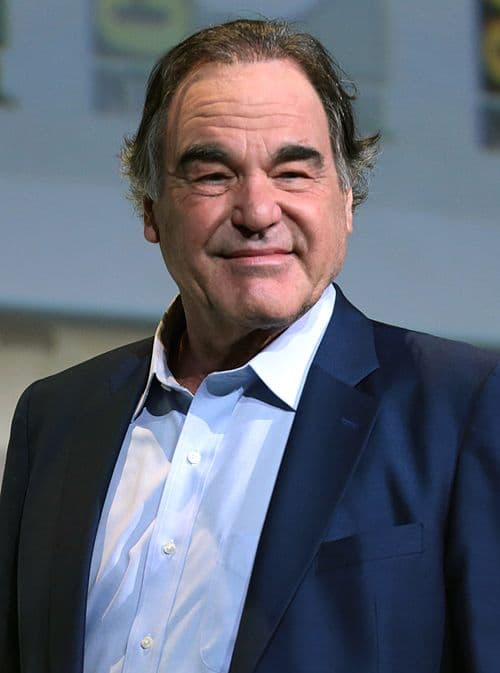
Oliver Stone
PERSON9 w/ Pitts·5 w/ Jeopardy
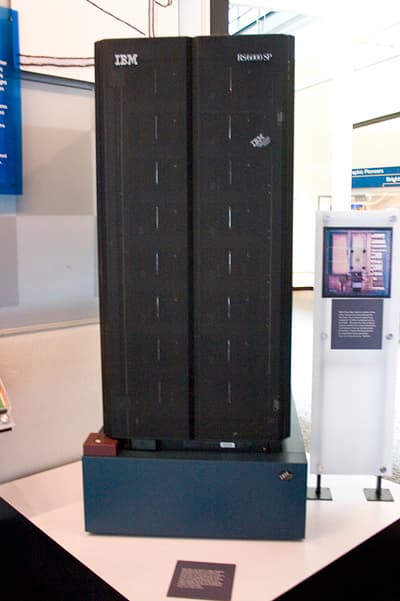
Deep Blue
PERSON4 w/ Pitts·10 w/ Jeopardy