Back to Network






4
Shared Docs
4
Same-Page
4 / 4
Mentions
Document Mentions (4 shared documents)
2 mentions1 same-page
Page ?Same page
nan, the quantum mechanical engineer Seth Lloyd; the philosopher Daniel C. Dennett; the physicists Freeman Dyson, Neil Gershenfeld, Lawrence Krauss, Judea Pearl, and Frank Wilczek; the psychologist Daniel Goleman; the precision cosmologist Max Tegmark; the robotocists Rodney Brooks and Chris Anderson, the s
science historians Peter Galison, George Dyson, and David Kaiser; the technologist Jaan Tallin; the cognitive scientist Tom Griffiths, the writers Kevin Kelly and Pamela McCorduck. As Daniel C. Dennett notes: "resurrecting Wiener as a major thinker (something I myself agree with) is a sort of thankless ta
2 mentions1 same-page
Page ?Same page
an, the =uantum mechanical engineer Seth Lloyd; the philosopher Daniel C. Dennett; the =hysicists Freeman Dyson, Neil Gershenfeld, Lawrence Krauss, Judea Pearl, and =rank Wilczek; the psychologist Daniel Goleman; the precision cosmologist Max =egmark; the robotocists Rodney Brooks and Chris Anderson, the sc
e science =istorians Peter Galison, George Dyson, and David Kaiser; the technologist Jaan Tallin; =he cognitive scientist Tom Griffiths, the writers Kevin Kelly and Pamela =cCorduck. As Daniel C. Dennett notes: "resurrecting =iener as a major thinker (something I myself agree with) is a sort of thankless t
2 mentions1 same-page
Page ?Same page
Obrist is artistic director of the Serpentine Gallery, London, and the author of Ways of Curating and Lives of the Artists, Lives of the Architects. Judea Pearl is professor of computer science and director of the Cognitive Systems Laboratory at UCLA. His most recent book, co-authored with Dana Mackenzie, is
ieve, an approach that may work. Humans can reasonably be described as having (mostly implicit) preferences over their future lives—that is, given @ Kevin Kelly, “The Myth of a Superhuman AI,” Wired, Apr. 25, 2017. 33 HOUSE_OVERSIGHT_016836 enough time and unlimited visual aids, a human could express a pre
Sponsored
2 mentions1 same-page
Page ?Same page
Obrist is artistic director of the Serpentine Gallery, London, and the author of Ways of Curating and Lives of the Artists, Lives of the Architects. Judea Pearl is professor of computer science and director of the Cognitive Systems Laboratory at UCLA. His most recent book, co-authored with Dana Mackenzie, is
ieve, an approach that may work. Humans can reasonably be described as having (mostly implicit) preferences over their future lives—that is, given @ Kevin Kelly, “The Myth of a Superhuman AI,” Wired, Apr. 25, 2017. 33 HOUSE_OVERSIGHT_016253 enough time and unlimited visual aids, a human could express a pre
Sponsored
Mutual Connections (426)
Entities connected to both Judea Pearl and Kevin Kelly
Jeffrey Epstein
PERSON3 w/ Judea·31 w/ Kevin
John Brockman
PERSON5 w/ Judea·27 w/ Kevin
Stewart Brand
PERSON5 w/ Judea·26 w/ Kevin
Martha Stewart
PERSON5 w/ Judea·26 w/ Kevin
George Dyson
PERSON5 w/ Judea·25 w/ Kevin
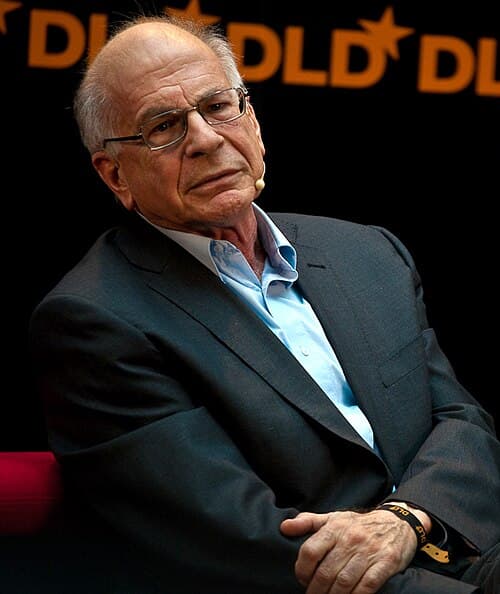
Daniel Kahneman
PERSON3 w/ Judea·20 w/ Kevin
George W. Bush
PERSON5 w/ Judea·17 w/ Kevin
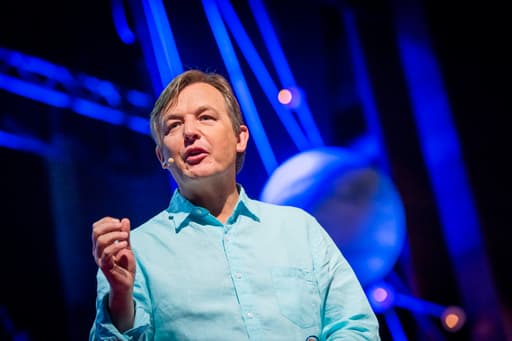
Chris Anderson
PERSON5 w/ Judea·17 w/ Kevin
Prince Andrew
PERSON2 w/ Judea·20 w/ Kevin
Elon Musk
PERSON2 w/ Judea·19 w/ Kevin
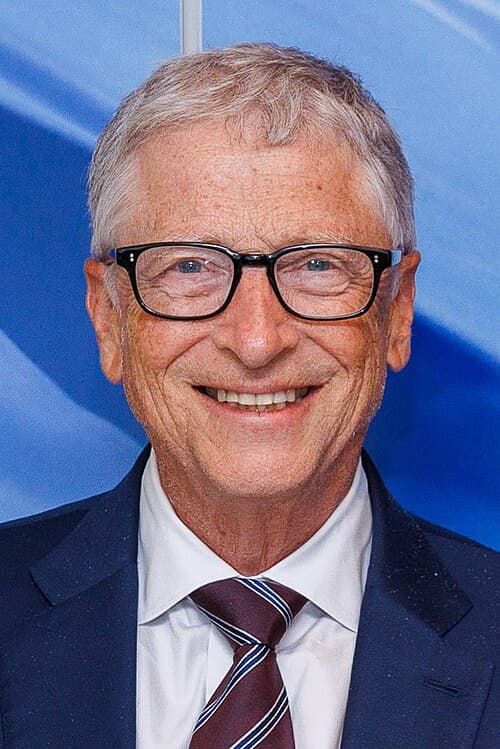
Bill Gates
PERSON2 w/ Judea·17 w/ Kevin
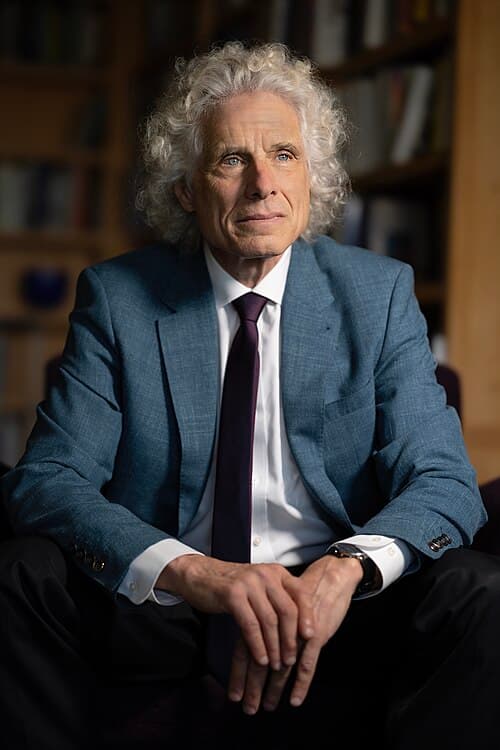
Steven Pinker
PERSON3 w/ Judea·15 w/ Kevin
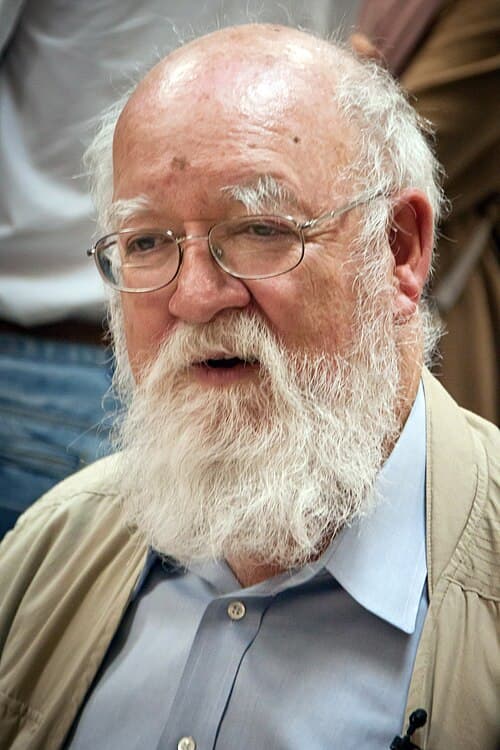
Daniel Dennett
PERSON5 w/ Judea·12 w/ Kevin
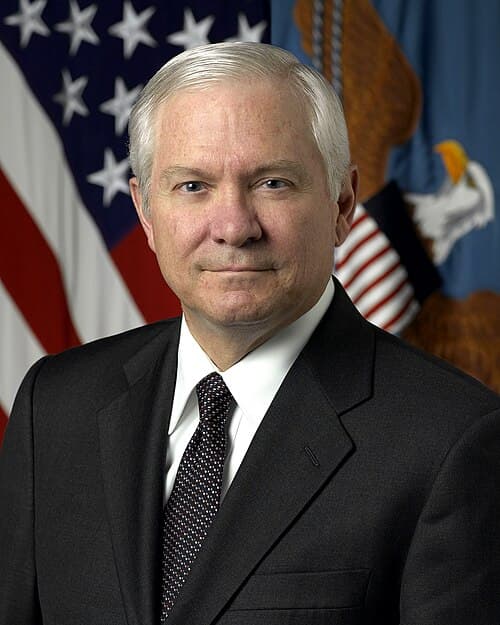
Robert Gates
PERSON2 w/ Judea·15 w/ Kevin
Stephen Hawking
PERSON3 w/ Judea·13 w/ Kevin
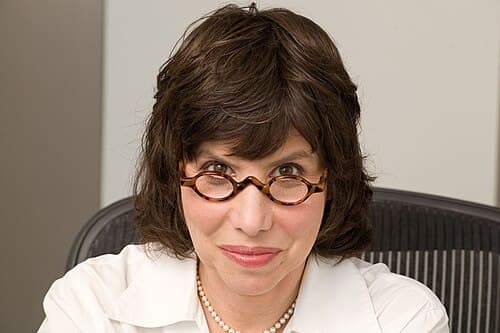
Alison Gopnik
PERSON3 w/ Judea·13 w/ Kevin
Alan Dershowitz
PERSON2 w/ Judea·14 w/ Kevin
Freeman Dyson
PERSON4 w/ Judea·12 w/ Kevin
Eric Trump
PERSON2 w/ Judea·14 w/ Kevin
Joi Ito
PERSON2 w/ Judea·13 w/ Kevin