Back to Network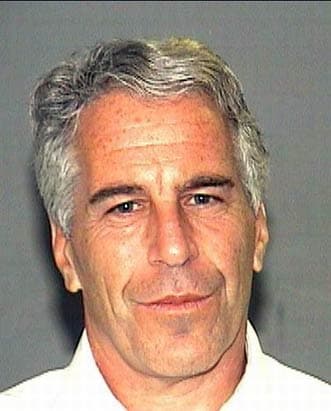





5
Shared Docs
5
Same-Page
5 / 5
Mentions
Document Mentions (5 shared documents)
2 mentions1 same-page
Page ?Same page
gia, R., & Kirshenbaum, S. (2005). Speaking the unspeakable: Exploring the impact of family dynamics on child sexual abuse disclosures. Families in Society. 86, 227-234. Braun. V.. & Clarke, V. (2006). Using thematic analysis in psychology. Qualitative Research in Psychology. 3, 93. doi:10.1191/ 14780
o peers has been found a common trend in other (continued) EFTA00156868 Table I. (continued) Study Purpose Design Sample Findings Summary Hunter (2011) they disclose to. and what were their motives for disclosing Aim of this study was to develop a fuller understanding of CSA disclosures
2 mentions1 same-page
Page ?Same page
elated infommtion (e.g.. Ike r. Shobe. & Kililstmni. 2000: Edwank. Finsh. Anda. Felitii. & Node berg, 2001: C.0 00,0i t 2015 Anwritan No. 6,4opgal Society 33 3534-009 Page 1 of 8 EFTA_000 10253 EFTA00159901 Memory for Child Sexual Abuse Hunter & Andrews, 2002; McNally, Lasko, Macklin, & Pitman.
relationships. Close relationship to the perpetrator is associated with lack of maternal support when child victims disclose their abuse (Everson, Hunter, Runyon, Edelsohn, & Coulter, 1989). To the extent that unsupportive mothers talk less often with their children about the CSA than supportive mot
2 mentions1 same-page
Page ?Same page
nonetheless, that such victim behavior does have significance in the perception of society and in the "real world" of the criminal justice system. Society's lack of understanding and acceptance of the reality ofcompliant child victims often results in the following: I. Victims failing to disclose and
or ritualistic. In R.R. Hazelwood & A.W. Burgess (Eds.), Practical aspects of rape investigation (3rd ed) (pp. 97-113). Boca Raton, FL: CRC Press. Hunter, J.A. (2001). The sexual crimes of juveniles. In R.R. Hazelwood & A.W. Burgess (Eds.), Practical aspects of rape investigation (3rd ed) (pp. 401-419
Sponsored
2 mentions1 same-page
Page ?Same page
ld victims can be boys as well as girls, and older as well as younger. Not all child victims are "little angels." They are, however, human beings. Society seems to have a problem dealing with any sexual-victimization case in which the adult offender is not completely "bad" or the child victim is not c
en, especially adolescents, sexually victimized by peers. For additional information on adolescent sex offenders see "The Sex Crimes of Juveniles" (Hunter, 2001). .11 EFTA01728665 Identifying Preferential Sex Offenders ((Wirier zt Although a variety of individuals sexually abuse children, preferen
2 mentions1 same-page
Page ?Same page
ia, It., & Kirshenbaum, S. (2005). Speaking the unspeakable: Exploring the impact of family dynamics on child sexual abuse disclosures. Families in Society, 86, 227 234. Braun, V., & Clarke, V. (2006). Using thematic analysis in psychology. Qualitative Research in Psychology, 3, 93. doi:10.1191/ 14780
of delayed disclosures with research showing a large number of survivors only dis- closing in adulthood (Collin-Vezina et al., 2015; Easton, 2013; Hunter, 2011; McElvaney, 2015; Smith et al., 2000), these issues should be a concern for practitioners, policy makers, and the general public (McElvaney,
Sponsored
Mutual Connections (637)
Entities connected to both Society and Hunter Biden
Jeffrey Epstein
PERSON38 w/ Society·241 w/ Hunter
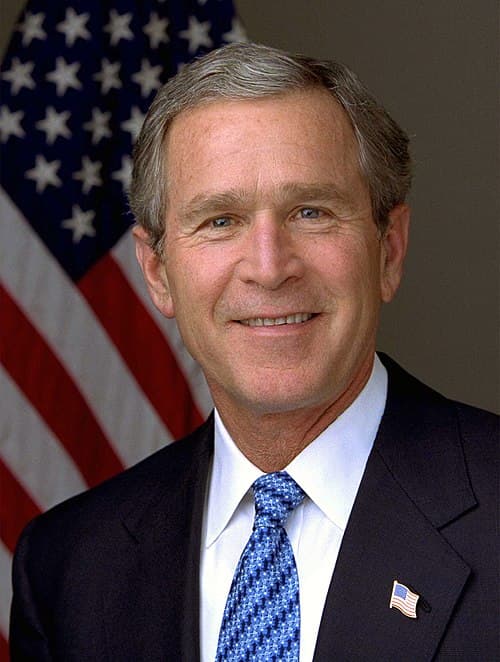
George W. Bush
PERSON29 w/ Society·157 w/ Hunter
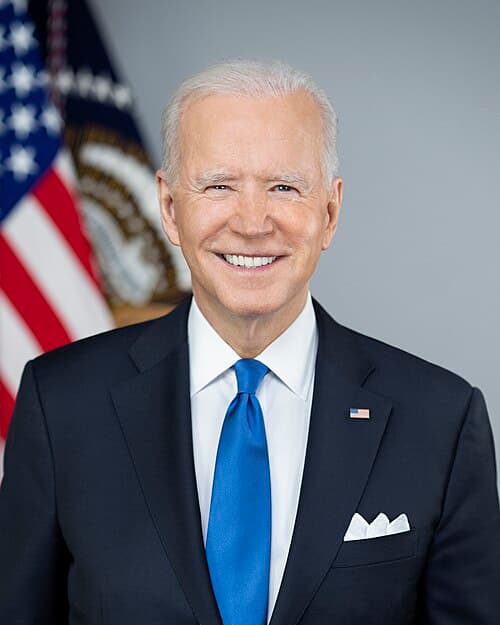
Joe Biden
PERSON4 w/ Society·149 w/ Hunter
LB
Leon Black
PERSON18 w/ Society·124 w/ Hunter
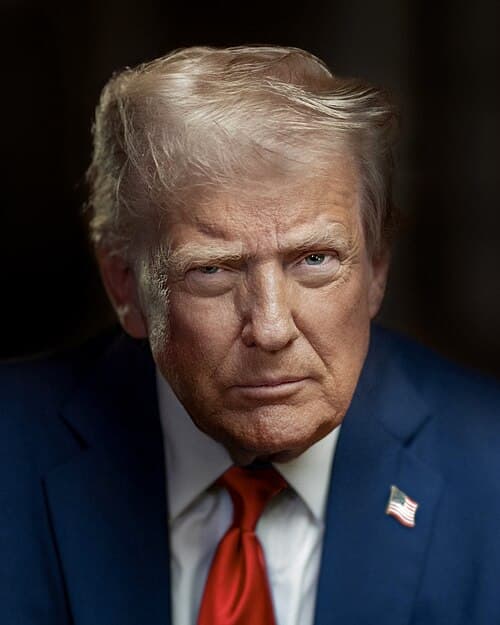
Donald Trump
PERSON8 w/ Society·129 w/ Hunter
United States
LOCATION13 w/ Society·119 w/ Hunter
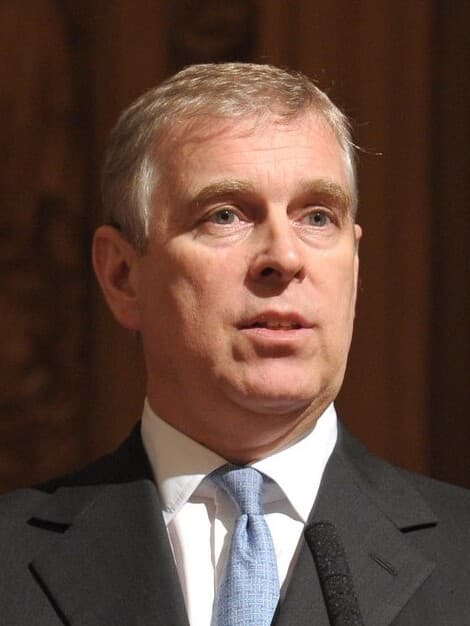
Prince Andrew
PERSON13 w/ Society·118 w/ Hunter
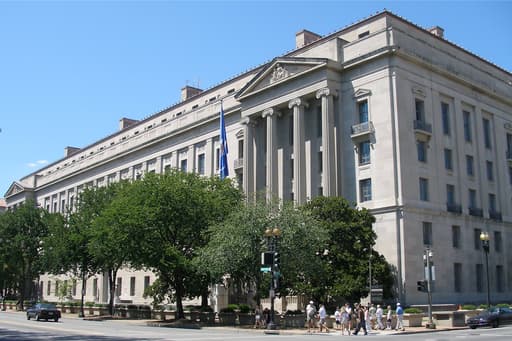
Department of Justice
ORGANIZATION9 w/ Society·118 w/ Hunter
Ghislaine Maxwell
PERSON9 w/ Society·114 w/ Hunter
Julie K. Brown
PERSON17 w/ Society·103 w/ Hunter
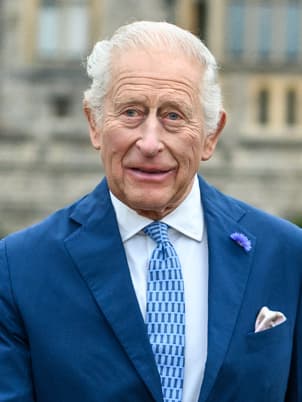
Prince Charles
PERSON13 w/ Society·97 w/ Hunter
Virginia Giuffre
PERSON10 w/ Society·95 w/ Hunter
ET
Emmy Taylor
PERSON7 w/ Society·95 w/ Hunter
Bloomberg L.P.
ORGANIZATION2 w/ Society·97 w/ Hunter
Bill Clinton
PERSON10 w/ Society·87 w/ Hunter
Michael Jackson
PERSON7 w/ Society·86 w/ Hunter
Marc Rich
PERSON19 w/ Society·70 w/ Hunter
Barack Obama
PERSON8 w/ Society·77 w/ Hunter
Scarlett Johansson
PERSON7 w/ Society·73 w/ Hunter
Alan Dershowitz
PERSON10 w/ Society·69 w/ Hunter