Back to Network







4
Shared Docs
4
Same-Page
4 / 4
Mentions
Document Mentions (4 shared documents)
2 mentions1 same-page
Page ?Same page
don analog formats, and in return provides easy—all too easy?—reproduction of artworks with almost perfect fidelity. But there is a huge hidden cost. Orwell’s Ministry of Truth is now a practical possibility. AI techniques for creating all-but-undetectable forgeries of “recordings” of encounters are now b
ing a place to begin. New Technologies=New Perceptions Before AI, there was Cybernetics—the idea of automatic, self-regulating control, laid out in Norbert Wiener’s foundational text of 1948. I can date my own serious exposure to it to 1966, when the composer John Cage invited me and four or five other young arts
2 mentions1 same-page
Page ?Same page
of data is not limited to corporations: In totalitarian states, or even nominally democratic ones, governments know things about their citizens that Orwell could not have imagined. The use they make of this information may not always be transparent or possible to counter. The prospect of AI for military
agic or mysticism of an earlier age— as by their modern-sounding insights. I detect that same doubleness—the zig-zag origami folds of old and new—in Norbert Wiener’s classic The Human Use of Human Beings. First published in 1950 and revised in 1954, the book is in many ways extraordinarily prescient. Wiener, the M
2 mentions1 same-page
Page ?Same page
don analog formats, and in return provides easy—all too easy?—reproduction of artworks with almost perfect fidelity. But there is a huge hidden cost. Orwell’s Ministry of Truth is now a practical possibility. AI techniques for creating all-but-undetectable forgeries of “recordings” of encounters are now b
ing a place to begin. New Technologies=New Perceptions Before AI, there was Cybernetics—the idea of automatic, self-regulating control, laid out in Norbert Wiener’s foundational text of 1948. I can date my own serious exposure to it to 1966, when the composer John Cage invited me and four or five other young arts
Sponsored
2 mentions1 same-page
Page ?Same page
of data is not limited to corporations: In totalitarian states, or even nominally democratic ones, governments know things about their citizens that Orwell could not have imagined. The use they make of this information may not always be transparent or possible to counter. The prospect of AI for military
agic or mysticism of an earlier age— as by their modern-sounding insights. I detect that same doubleness—the zig-zag origami folds of old and new—in Norbert Wiener’s classic The Human Use of Human Beings. First published in 1950 and revised in 1954, the book is in many ways extraordinarily prescient. Wiener, the M
Sponsored
Mutual Connections (688)
Entities connected to both Orwell and Norbert Wiener’s
Ghislaine Maxwell
PERSON26 w/ Orwell·4 w/ Norbert
George W. Bush
PERSON19 w/ Orwell·4 w/ Norbert
DB
Doug Band
PERSON17 w/ Orwell·4 w/ Norbert
Vicky Ward
PERSON18 w/ Orwell·2 w/ Norbert
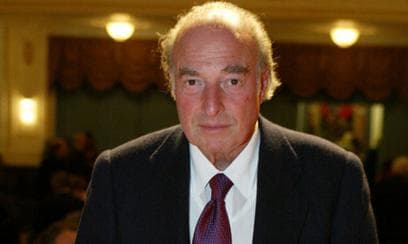
Marc Rich
PERSON15 w/ Orwell·4 w/ Norbert
Prince Andrew
PERSON12 w/ Orwell·4 w/ Norbert
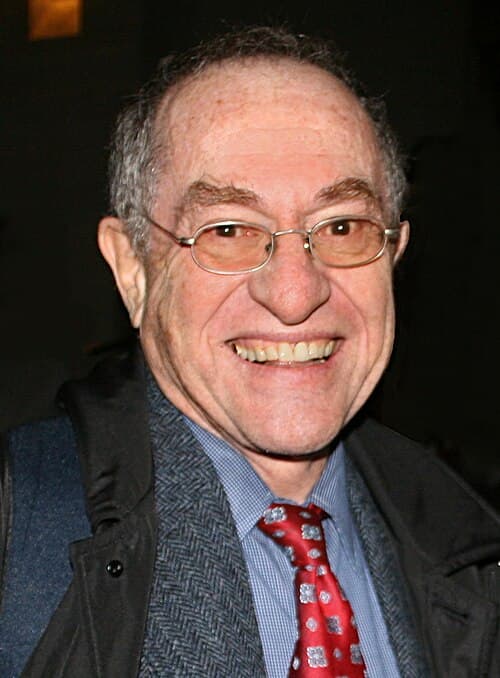
Alan Dershowitz
PERSON11 w/ Orwell·4 w/ Norbert
MF
Maria Farmer
PERSON13 w/ Orwell·2 w/ Norbert
Barack Obama
PERSON9 w/ Orwell·4 w/ Norbert
LB
Leon Black
PERSON9 w/ Orwell·4 w/ Norbert
Martha Stewart
PERSON7 w/ Orwell·4 w/ Norbert
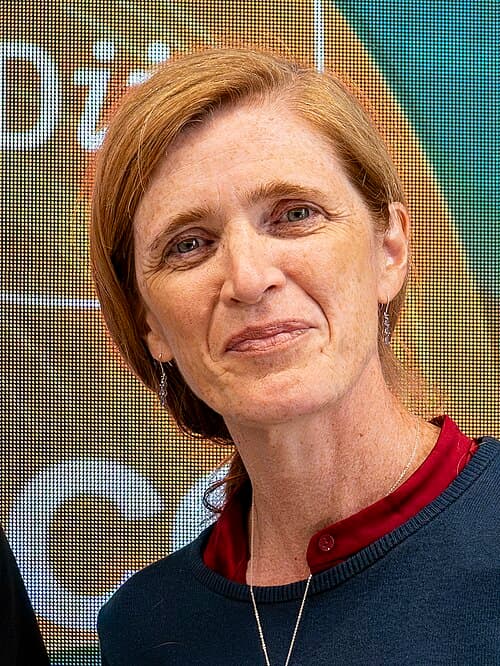
Samantha Power
PERSON7 w/ Orwell·4 w/ Norbert
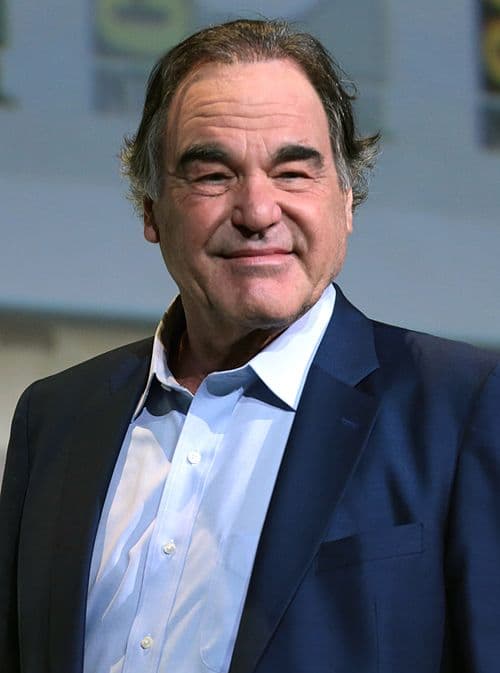
Oliver Stone
PERSON7 w/ Orwell·4 w/ Norbert
CW
Courtney Wild
PERSON9 w/ Orwell·2 w/ Norbert
John Brockman
PERSON6 w/ Orwell·4 w/ Norbert
Eric Trump
PERSON6 w/ Orwell·4 w/ Norbert
Daniel Kahneman
PERSON6 w/ Orwell·4 w/ Norbert
Stephen Hawking
PERSON5 w/ Orwell·4 w/ Norbert
Julie K. Brown
PERSON5 w/ Orwell·4 w/ Norbert
Warren Weaver
PERSON5 w/ Orwell·4 w/ Norbert