Back to Network












7
Shared Docs
6
Same-Page
7 / 7
Mentions
Document Mentions (7 shared documents)
2 mentions1 same-page
Page ?Same page
ng decision" (Simon, Snow, & Read, 2004, p. 814; Greenspan & Scurich, 2016). As a result, perceptions and d
d or avoided and that failing to do so constitutes knowledge or intent. c. Opinions Related to the Halo Effect The term "Halo effect" was coined by Thomdike (1920) a century ago. The Halo effect is a cognitive bias in impression formation whereby the positive evaluation of one characteristic has a radia
Sponsored
2 mentions1 same-page
Page ?Same page
ng decision" (Simon, Snow, & Read, 2004, p. 814; Greenspan & Scurich, 2016). As a result, perceptions and d
d or avoided and that failing to do so constitutes knowledge or intent. c. Opinions Related to the Halo Effect The term "Halo effect" was coined by Thomdike (1920) a century ago. The Halo effect is a cognitive bias in impression formation whereby the positive evaluation of one characteristic has a radia
Sponsored
2 mentions
Page EFTA00016272
d or avoided and that failing to do so constitutes knowledge or intent. c. Opinions Related to the Halo Effect The term "Halo effect" was coined by Thomdike (1920) a century ago. The Halo effect is a cognitive bias in impression formation whereby the positive evaluation of one characteristic has a radia
Page: EFTA00016272 →Page EFTA00016273
isions follow from evidence, and evaluations of the evidence shift toward coherence with the emerging decision" (Simon, Snow, & Read, 2004, p. 814; Greenspan & Scurich, 2016). As a result, perceptions and decisions become highly skewed toward one interpretation while alternatives are neglected or dismiss
Page: EFTA00016273 →Sponsored
Mutual Connections (116)
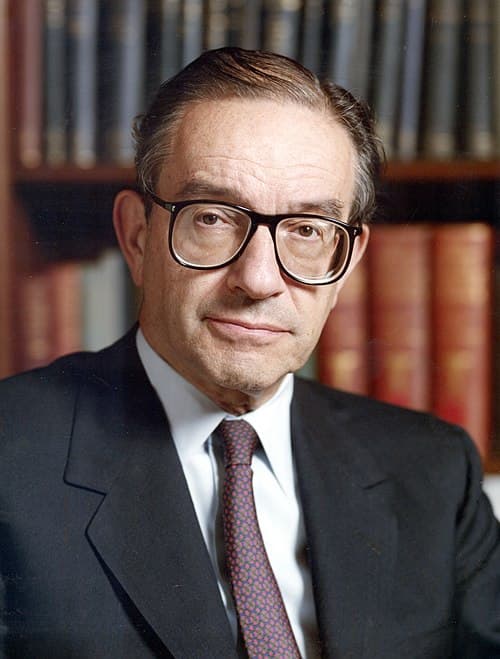
Entities connected to both Alan Greenspan and Thomdike
Jeffrey Epstein
PERSON38 w/ Alan·7 w/ Thomdike
Bill Clinton
PERSON37 w/ Alan·7 w/ Thomdike
Marc Rich
PERSON23 w/ Alan·7 w/ Thomdike
Ghislaine Maxwell
PERSON20 w/ Alan·7 w/ Thomdike
Virginia Giuffre
PERSON16 w/ Alan·6 w/ Thomdike
Prince Andrew
PERSON17 w/ Alan·5 w/ Thomdike
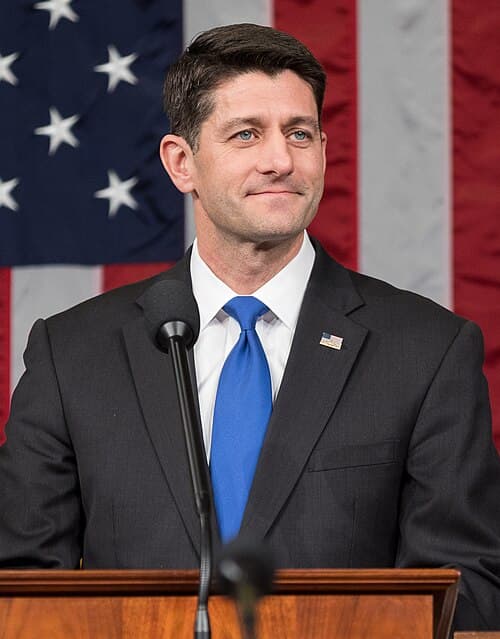
Paul Ryan
PERSON14 w/ Alan·5 w/ Thomdike
Department of Justice
ORGANIZATION10 w/ Alan·7 w/ Thomdike
Harvard Medical School
ORGANIZATION10 w/ Alan·7 w/ Thomdike
Arlington
LOCATION10 w/ Alan·7 w/ Thomdike
University of Denver
ORGANIZATION8 w/ Alan·7 w/ Thomdike
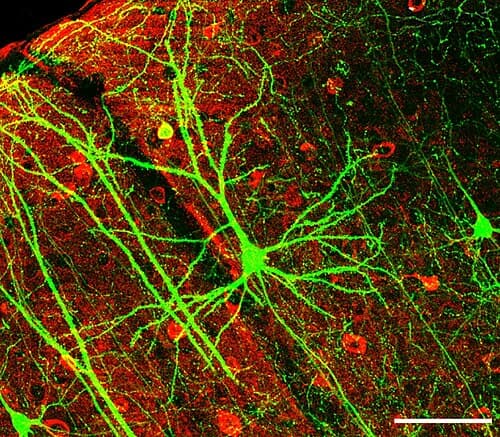
Neurology
PERSON9 w/ Alan·6 w/ Thomdike
Johns Hopkins
ORGANIZATION9 w/ Alan·6 w/ Thomdike
Denver
LOCATION9 w/ Alan·6 w/ Thomdike
Steve Bannon
PERSON8 w/ Alan·7 w/ Thomdike
Florida International University
ORGANIZATION8 w/ Alan·7 w/ Thomdike
O'
O'Donohue
PERSON8 w/ Alan·7 w/ Thomdike
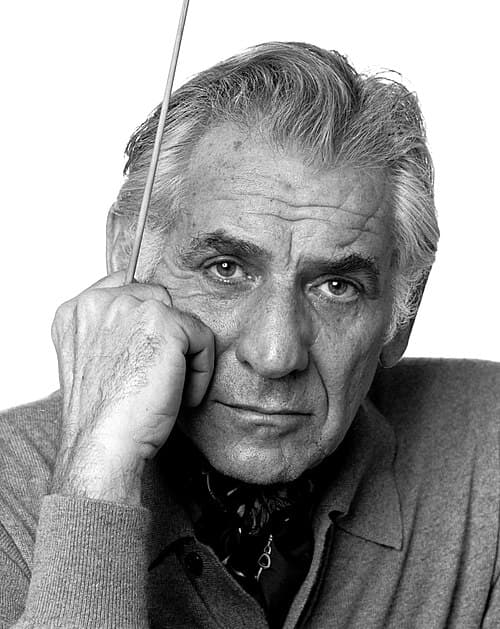
Bernstein
PERSON8 w/ Alan·7 w/ Thomdike
Oeberst & Goeckenjan
ORGANIZATION7 w/ Alan·7 w/ Thomdike
Musch & Wagner
ORGANIZATION7 w/ Alan·7 w/ Thomdike