Back to Network







3
Shared Docs
3
Same-Page
3 / 6
Mentions
Document Mentions (3 shared documents)
3 mentions1 same-page
Page ?Same page
ong way from explaining the complex systems of gods and rituals that make up religion. Cognitive researchers face what has come to be called the "Mickey Mouse" problem: The Disney character Mickey Mouse has supernatural powers, but no one worships or would Social circuits. When subjects in an fMRI scann
that children are predisposed to think that the mind persists even after the death of the body—something that approaches the idea of an afterlife. Bering showed children ages 4 through 12 years old a puppet show in which a crocodile ate a mouse. Then he asked the children questions about the mouse.
that children learn about 3 the afterlife from others. Working in Spain CI E and Madagascar, Harris and colleagues did studies somewhat similar to Bering's, asking g children about the physical and psychological ti states of a person who had died. Older chil- dren and adults were more likely than yo
3 mentions1 same-page
Page ?Same page
ong way from explaining the complex systems of gods and rituals that make up religion. Cognitive researchers face what has come to be called the "Mickey Mouse" problem: The Disney character Mickey Mouse has supernatural powers, but no one worships or would Social circuits. When subjects in an fMRI scann
that children are predisposed to think that the mind persists even after the death of the body—something that approaches the idea of an afterlife. Bering showed children ages 4 through 12 years old a puppet show in which a crocodile ate a mouse. Then he asked the children questions about the mouse.
that children learn about 3 the afterlife from others. Working in Spain CI E and Madagascar, Harris and colleagues did studies somewhat similar to Bering's, asking g children about the physical and psychological ti states of a person who had died. Older chil- dren and adults were more likely than yo
3 mentions1 same-page
Page ?Same page
ong way from explaining the complex systems of gods and rituals that make up religion. Cognitive researchers face what has come to be called the "Mickey Mouse" problem: The Disney character Mickey Mouse has supernatural powers, but no one worships or would • Acfon mollifying • Sellkno•ledge • Person p
that children are predisposed to think that the mind persists even after the death of the body—something that approaches the idea of an afterlife. Bering showed children ages 4 through 12 years old a puppet show in which a crocodile ate a mouse. Then he asked the children questions about the mouse.
ty say that children learn about the afterlife from others. Working in Spain and Madagascar, Harris and colleagues did studies somewhat similar to Bering's, asking children about the physical and psychological states of a person who had died. Older chil- dren and adults were more likely than younger
Sponsored
Mutual Connections (59)
Entities connected to both Mickey Mouse and Bering
Prince Charles
PERSON5 w/ Mickey·3 w/ Bering
Marc Rich
PERSON4 w/ Mickey·4 w/ Bering
CW
Courtney Wild
PERSON5 w/ Mickey·3 w/ Bering
United Kingdom
LOCATION4 w/ Mickey·3 w/ Bering
Eric Schmidt
PERSON4 w/ Mickey·3 w/ Bering
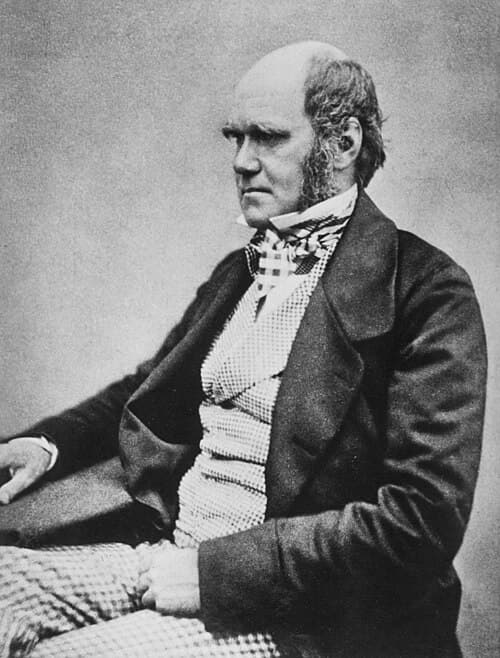
Charles Darwin
PERSON4 w/ Mickey·3 w/ Bering
St. Louis
LOCATION4 w/ Mickey·3 w/ Bering
the University of Reading
ORGANIZATION3 w/ Mickey·3 w/ Bering
Vancouver
LOCATION3 w/ Mickey·3 w/ Bering
Belfast
LOCATION3 w/ Mickey·3 w/ Bering
Jesse
PERSON3 w/ Mickey·3 w/ Bering
BO
Boyer
PERSON3 w/ Mickey·3 w/ Bering
KE
Kelemen
PERSON3 w/ Mickey·3 w/ Bering
KC
Krista Casler
PERSON3 w/ Mickey·3 w/ Bering
JG
Jordan Grafman
PERSON3 w/ Mickey·3 w/ Bering
GR
Grafman
PERSON3 w/ Mickey·3 w/ Bering
Renfrew
LOCATION3 w/ Mickey·3 w/ Bering
Neandertals
ORGANIZATION3 w/ Mickey·3 w/ Bering
Washington Univer-
ORGANIZATION3 w/ Mickey·3 w/ Bering
Marshall College
ORGANIZATION3 w/ Mickey·3 w/ Bering