Back to Network









5
Shared Docs
5
Same-Page
5 / 5
Mentions
Document Mentions (5 shared documents)
2 mentions1 same-page
Page ?Same page
a were the defendant's denials of various sexual activities, not honest answers that would have been quite different. In part for that reason, Judge Sweet authorized the deposition at the outset. Second, the Government was not a party to the civil unsealing litigation and did not have an opportunity t
urden of establishing that his own Fourth Amendment rights were violated by the challenged search or seizure." Rakas, 439 U.S. at 130, n.1; see also Rawlings v. Kentucky, 448 U.S. 98, 104 (1980). Under the third party doctrine, the Fourth Amendment "does not prohibit the obtaining of information reveale
Sponsored
2 mentions1 same-page
Page ?Same page
a were the defendant's denials of various sexual activities, not honest answers that would have been quite different. In part for that reason, Judge Sweet authorized the deposition at the outset. Second, the Government was not a party to the civil unsealing litigation and did not have an opportunity t
urden of establishing that his own Fourth Amendment rights were violated by the challenged search or seizure." Rakas, 439 U.S. at 130, n.1; see also Rawlings v. Kentucky, 448 U.S. 98, 104 (1980). Under the third party doctrine, the Fourth Amendment "does not prohibit the obtaining of information reveale
Sponsored
Mutual Connections (264)
Entities connected to both Sweet and Rawlings
Jeffrey Epstein
PERSON115 w/ Sweet·9 w/ Rawlings
Ghislaine Maxwell
PERSON95 w/ Sweet·6 w/ Rawlings
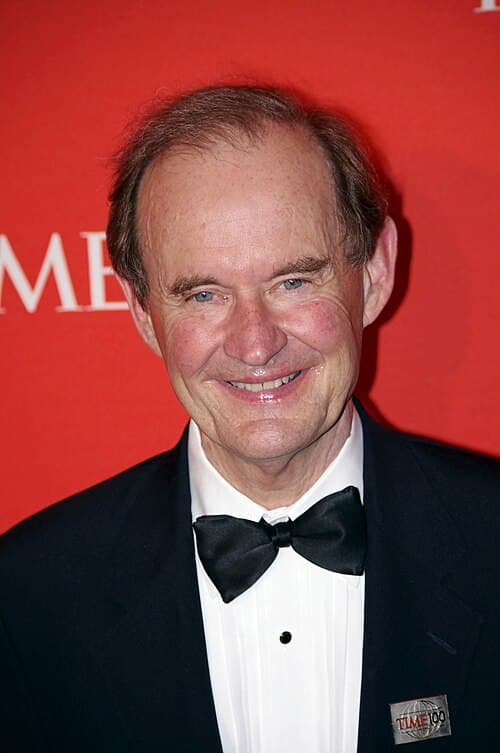
David Boies
PERSON48 w/ Sweet·5 w/ Rawlings
Julie K. Brown
PERSON43 w/ Sweet·6 w/ Rawlings
Virginia Giuffre
PERSON43 w/ Sweet·3 w/ Rawlings
United States
LOCATION35 w/ Sweet·7 w/ Rawlings
Bradley Edwards
PERSON35 w/ Sweet·5 w/ Rawlings
George W. Bush
PERSON38 w/ Sweet·2 w/ Rawlings
JP
Jeffrey Pagliuca
PERSON28 w/ Sweet·5 w/ Rawlings
JD
Jane Doe
PERSON28 w/ Sweet·4 w/ Rawlings
the Southern District
LOCATION27 w/ Sweet·5 w/ Rawlings
MA
Martindell
PERSON27 w/ Sweet·5 w/ Rawlings
Colorado
LOCATION26 w/ Sweet·5 w/ Rawlings
Stephen Hawking
PERSON24 w/ Sweet·5 w/ Rawlings
CM
Colleen McMahon
PERSON22 w/ Sweet·5 w/ Rawlings
LP
Loretta A. Preska
PERSON21 w/ Sweet·5 w/ Rawlings
Southern District of New York
ORGANIZATION19 w/ Sweet·5 w/ Rawlings
MF
Maria Farmer
PERSON19 w/ Sweet·4 w/ Rawlings
Scarlett Johansson
PERSON17 w/ Sweet·6 w/ Rawlings
MW
Martin Weinberg
PERSON18 w/ Sweet·5 w/ Rawlings