Back to Network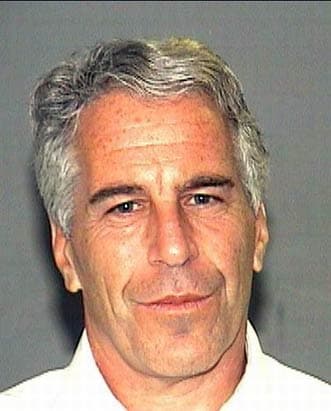





3
Shared Docs
3
Same-Page
5 / 3
Mentions
Document Mentions (3 shared documents)
3 mentions1 same-page
Page ?Same page
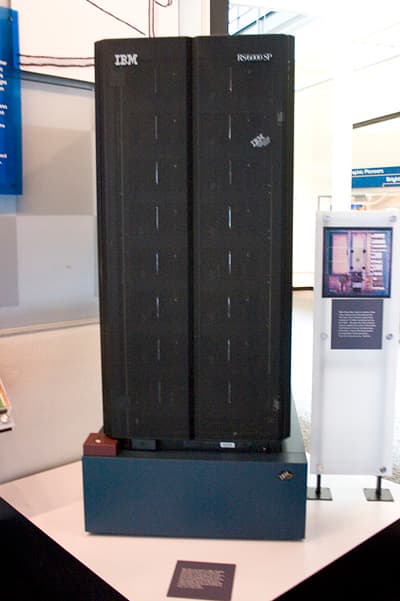
ne article described Deep Blue’s victory not as that of a computer, which was just a dumb machine, but as the victory of hundreds of programmers over Kasparov, a single individual. That way of programming is changing dramatically. After a long hiatus, the power of machine learning has taken off. Much of th
, we programmed computers using algorithms we understood at least in principle. So when machines did amazing things like beating world chess champion Garry Kasparov, we could say that the victorious programs were designed with algorithms based on our own understanding—using, in this instance, the experience and a
closely, something that is happening already. Some of today’s greatest exponents of machine learning—such as Geoffrey Hinton, Zoubin Ghahramani, and Demis Hassabis—have backgrounds in cognitive neuroscience, and their success has been at least in part due to attempts to model brainlike behavior in their algorith
3 mentions1 same-page
Page ?Same page
ne article described Deep Blue’s victory not as that of a computer, which was just a dumb machine, but as the victory of hundreds of programmers over Kasparov, a single individual. That way of programming is changing dramatically. After a long hiatus, the power of machine learning has taken off. Much of th
, we programmed computers using algorithms we understood at least in principle. So when machines did amazing things like beating world chess champion Garry Kasparov, we could say that the victorious programs were designed with algorithms based on our own understanding—using, in this instance, the experience and a
closely, something that is happening already. Some of today’s greatest exponents of machine learning—such as Geoffrey Hinton, Zoubin Ghahramani, and Demis Hassabis—have backgrounds in cognitive neuroscience, and their success has been at least in part due to attempts to model brainlike behavior in their algorith
2 mentions1 same-page
Page ?Same page
ed Crazy Stone.1-le had thought computer mastery of the game was a decade away. The IBM chess computer Deep Blue, which famously beat grandmaster Garry Kasparov in 1997, was explicitly programmed to win at the game. But AlphaGo was not preprogrammed to play Go: rather, it learned using a general- purpose a
onal Lee Sedol, considered by many to be the world's strongest player, is scheduled for March. "We're pretty confident," says Deep- Mind co-founder Demis Hassabis. "This is a really big result, it's huge," says Kenn Coulom, a programmer in Lille, France, who designed a commercial Go program called Crazy Sto
Sponsored
Mutual Connections (384)
Entities connected to both Garry Kasparov and Demis Hassabis
Jeffrey Epstein
PERSON12 w/ Garry·9 w/ Demis
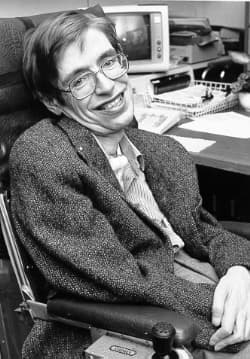
Stephen Hawking
PERSON17 w/ Garry·4 w/ Demis
Ghislaine Maxwell
PERSON16 w/ Garry·2 w/ Demis
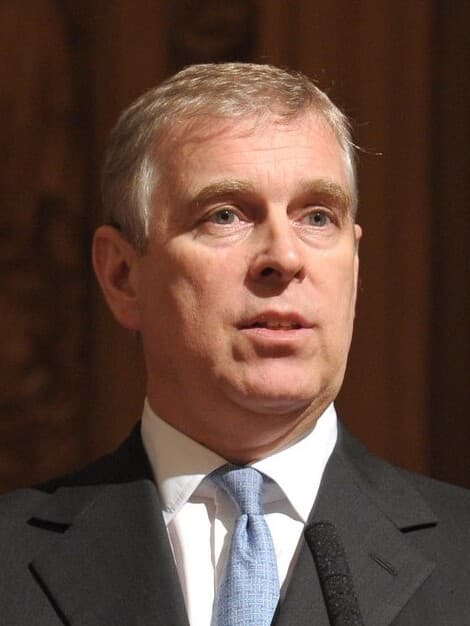
Prince Andrew
PERSON15 w/ Garry·3 w/ Demis
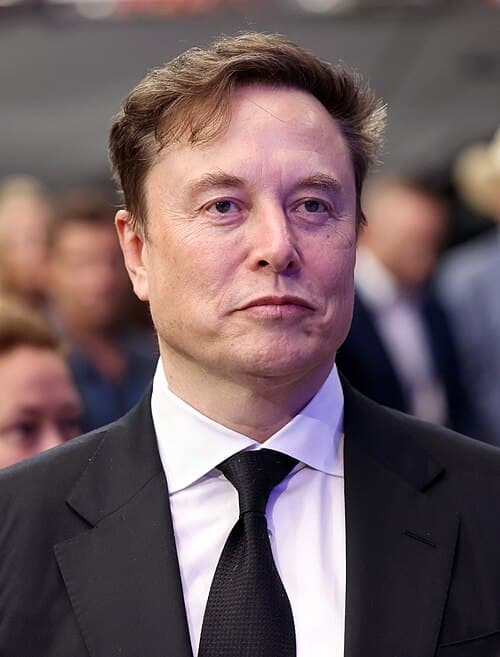
Elon Musk
PERSON7 w/ Garry·8 w/ Demis
Marc Rich
PERSON12 w/ Garry·2 w/ Demis
George W. Bush
PERSON12 w/ Garry·2 w/ Demis
DB
Doug Band
PERSON12 w/ Garry·2 w/ Demis
LB
Leon Black
PERSON12 w/ Garry·2 w/ Demis
Eric Trump
PERSON11 w/ Garry·2 w/ Demis
Barack Obama
PERSON11 w/ Garry·2 w/ Demis
Samantha Power
PERSON11 w/ Garry·2 w/ Demis
Deep Blue
PERSON10 w/ Garry·3 w/ Demis
Danny Hillis
PERSON10 w/ Garry·2 w/ Demis
John F. Kennedy
PERSON9 w/ Garry·2 w/ Demis
Oliver Stone
PERSON8 w/ Garry·3 w/ Demis
Julie K. Brown
PERSON9 w/ Garry·2 w/ Demis
Alan Dershowitz
PERSON9 w/ Garry·2 w/ Demis
AG
Ace Greenberg
PERSON9 w/ Garry·2 w/ Demis
Nigeria
LOCATION9 w/ Garry·2 w/ Demis