Back to Network












9
Shared Docs
9
Same-Page
9 / 9
Mentions
Document Mentions (9 shared documents)
2 mentions1 same-page
Page ?Same page
49 United States v. lannelli, 461 F.2d 483 (2d Cir. 1972) 64 xv EFTA00099956 United States v. Israel, 05 Cr. 1039 (CM) 286 United States v. Jackman, 46 F.3d 1240 (2d Cir. 1995) 300, 301 United States v. Jeffries, 405 F.3d 682 (8th Cir. 2005) 33,37,38,46 United States v. Jenkins, 727 F. App
1080 (2d Cir. 1989) 106, 119, 149 Arizona v. Youngblood, 488 U.S. 51 (1988) 76 Aronson v. K. Arakelian, Inc., 154 F.2d 231 (7th Cir. 1946) 19 Berghuis v. Smith, 559 U.S. 314 (2010) 299, 302 Blaszczak, 17 Cr. 357 (LAK) 275 Nissen v. Lefevre, 924 F.2d 434 (2d Cir. 1991) 158 Mum v. Yaretsky, 457 U.S.
2 mentions1 same-page
Page ?Same page
d 3.4% for Hispanic or Latino persons was sufficient to satisfy the second prong of the Duren test. 46 F.3d 1240 (2d Cir. 1995). The unique facts of Jackman make it readily distinguishable. The jury clerk in Jackman relied on a qualified jury wheel that was mostly drawn from a master jury wheel that com
decision theory, the comparative disparity theory, and the absolute disparity theory. See Rioux, 97 F.3d at 655. Although no method is perfect, see Berghuis v. Smith, 559 U.S. 314, 329 (2010), the Second Circuit has made clear that the comparative disparity theory is disfavored and strongly suggested that the ab
2 mentions1 same-page
Page ?Same page
49 United States v. lannelli, 461 F.2d 483 (2d Cir. 1972) 64 xv EFTA00077621 United States v. Israel, 05 Cr. 1039 (CM) 286 United States v. Jackman, 46 F.3d 1240 (2d Cir. 1995) 300, 301 United States v. Jeffries, 405 F.3d 682 (8th Cir. 2005) 33, 37, 38, 46 United States v. Jenkins, 727 F.
1080 (2d Cir. 1989) 106, 119, 149 Arizona v. Youngblood, 488 U.S. 51 (1988) 76 Aronson v. K. Arakelian, Inc., 154 F.2d 231 (7th Cir. 1946) 19 Berghuis v. Smith, 559 U.S. 314 (2010) 299, 302 Blaszczak, 17 Cr. 357 (LAK) 275 Blissett v. Lefevre, 924 F.2d 434 (2d Cir. 1991) 158 Blum v. Yaretsky, 457 U.
Sponsored
2 mentions1 same-page
Page ?Same page
d 3.4% for Hispanic or Latino persons was sufficient to satisfy the second prong of the Duren test. 46 F.3d 1240 (2d Cir. 1995). The unique facts of Jackman make it readily distinguishable. The jury clerk in Jaclanan relied on a qualified jury wheel that was mostly drawn from a master jury wheel that co
decision theory, the comparative disparity theory, and the absolute disparity theory. See Biota, 97 F.3d at 655. Although no method is perfect, see Berghuis v. Smith, 559 U.S. 314, 329 (2010), the Second Circuit has made clear that the comparative disparity theory is disfavored and strongly suggested that the ab
2 mentions1 same-page
Page ?Same page
49 United States v. lannelli, 461 F.2d 483 (2d Cir. 1972) 64 xv EFTA00039436 United States v. Israel, 05 Cr. 1039 (CM) 286 United States v. Jackman, 46 F.3d 1240 (2d Cir. 1995) 300, 301 United States v. Jeffries, 405 F.3d 682 (8th Cir. 2005) 33, 37, 38, 46 United States v. Jenkins, 727 F.
1080 (2d Cir. 1989) 106, 119, 149 Arizona v. Youngblood, 488 U.S. 51 (1988) 76 Aronson v. K. Arakelian, Inc., 154 F.2d 231 (7th Cir. 1946) 19 Berghuis v. Smith, 559 U.S. 314 (2010) 299, 302 Blaszczak, 17 Cr. 357 (LAK) 275 Blissett v. Lefevre, 924 F.2d 434 (2d Cir. 1991) 158 Blum v. Yaretsky, 457 U.
2 mentions1 same-page
Page ?Same page
d 3.4% for Hispanic or Latino persons was sufficient to satisfy the second prong of the Duren test. 46 F.3d 1240 (2d Cir. 1995). The unique facts of Jackman make it readily distinguishable. The jury clerk in Jaclanan relied on a qualified jury wheel that was mostly drawn from a master jury wheel that co
decision theory, the comparative disparity theory, and the absolute disparity theory. See Biota, 97 F.3d at 655. Although no method is perfect, see Berghuis v. Smith, 559 U.S. 314, 329 (2010), the Second Circuit has made clear that the comparative disparity theory is disfavored and strongly suggested that the ab
Sponsored
2 mentions1 same-page
Page ?Same page
d 3.4% for Hispanic or Latino persons was sufficient to satisfy the second prong of the Duren test. 46 F.3d 1240 (2d Cir. 1995). The unique facts of Jackman make it readily distinguishable. The jury clerk in Jaclanan relied on a qualified jury wheel that was mostly drawn from a master jury wheel that co
decision theory, the comparative disparity theory, and the absolute disparity theory. See Rioux, 97 F.3d at 655. Although no method is perfect, see Berghuis v. Smith, 559 U.S. 314, 329 (2010), the Second Circuit has made clear that the comparative disparity theory is disfavored and strongly suggested that the ab
2 mentions1 same-page
Page ?Same page
49 United States v. lannelli, 461 F.2d 483 (2d Cir. 1972) 64 xv EFTA00103014 United States v. Israel, 05 Cr. 1039 (CM) 286 United States v. Jackman, 46 F.3d 1240 (2d Cir. 1995) 300, 301 United States v. Jqffries, 405 F.3d 682 (8th Cir. 2005) 33, 37, 38, 46 United States v. Jenkins, 727 F.
1080 (2d Cir. 1989) 106, 119, 149 Arizona v. Youngblood, 488 U.S. 51 (1988) 76 Aronson v. K. Arakelian, Inc., 154 F.2d 231 (7th Cir. 1946) 19 Berghuis v. Smith, 559 U.S. 314 (2010) 299, 302 Blaszczak, 17 Cr. 357 (LAK) 275 Blissett v. Lefevre, 924 F.2d 434 (2d Cir. 1991) 158 Blum v. Yaretsky, 457 U.
2 mentions1 same-page
Page ?Same page
d 3.4% for Hispanic or Latino persons was sufficient to satisfy the second prong of the Duren test. 46 F.3d 1240 (2d Cir. 1995). The unique facts of Jackman make it readily distinguishable. The jury clerk in Jaclanan relied on a qualified jury wheel that was mostly drawn from a master jury wheel that co
decision theory, the comparative disparity theory, and the absolute disparity theory. See Biota, 97 F.3d at 655. Although no method is perfect, see Berghuis v. Smith, 559 U.S. 314, 329 (2010), the Second Circuit has made clear that the comparative disparity theory is disfavored and strongly suggested that the ab
Sponsored
Mutual Connections (458)
Entities connected to both Jackman and Berghuis v. Smith
Jeffrey Epstein
PERSON44 w/ Jackman·10 w/ Berghuis
Scarlett Johansson
PERSON36 w/ Jackman·10 w/ Berghuis
ET
Emmy Taylor
PERSON33 w/ Jackman·10 w/ Berghuis
Prince Andrew
PERSON36 w/ Jackman·5 w/ Berghuis
Ghislaine Maxwell
PERSON30 w/ Jackman·10 w/ Berghuis
LB
Leon Black
PERSON35 w/ Jackman·5 w/ Berghuis
United States
LOCATION29 w/ Jackman·10 w/ Berghuis
Department of Justice
ORGANIZATION31 w/ Jackman·5 w/ Berghuis
Julie K. Brown
PERSON31 w/ Jackman·5 w/ Berghuis
CO
Collins
PERSON25 w/ Jackman·10 w/ Berghuis
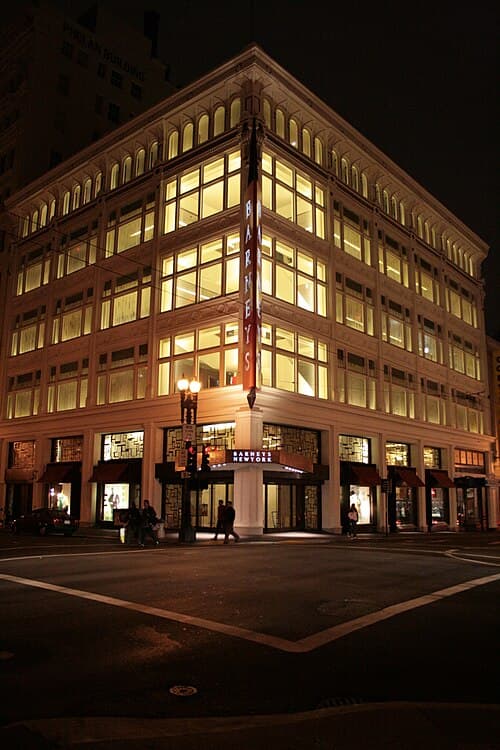
Barneys New York
ORGANIZATION25 w/ Jackman·10 w/ Berghuis
Michael Jackson
PERSON29 w/ Jackman·5 w/ Berghuis
Howell
PERSON23 w/ Jackman·10 w/ Berghuis
Michigan
LOCATION28 w/ Jackman·5 w/ Berghuis
Louisiana
LOCATION22 w/ Jackman·10 w/ Berghuis
Virginia Giuffre
PERSON29 w/ Jackman·3 w/ Berghuis
Colorado
LOCATION25 w/ Jackman·5 w/ Berghuis
George W. Bush
PERSON25 w/ Jackman·5 w/ Berghuis
FBI
ORGANIZATION25 w/ Jackman·5 w/ Berghuis
WA
Walsh
PERSON20 w/ Jackman·10 w/ Berghuis