Back to Network






3
Shared Docs
3
Same-Page
4 / 3
Mentions
Document Mentions (3 shared documents)
3 mentions1 same-page
Page ?Same page
ories as "paranoid" and suffering from "a psychic phenomenon" that prevents them from seeing the absurdity of their position. But he disagrees with Hofstadter that this condition affects only a small number of people on the fringes of society. For Mr. Brotherton, "conspiracy theories thrive in the mainstre
in light of what we already believe." Discussing Richard Hofstadter's 1964 essay "The Paranoid Style in American Politics," Mr. Brotherton accepts Hofstadter's characterization of proponents of politically motivated conspiracy theories as "paranoid" and suffering from "a psychic phenomenon" that prevents
ing a fake Kubrick, was untrue. Why people believe in pseudo-conspiracies is the focus of Rob Brotherton's fascinating book "Suspicious Minds." Mr. Brotherton, an academic psychologist, advances the thesis that the belief in pseudo-conspiracies proceeds from the "quirks and foibles" in the way that the hum
2 mentions1 same-page
Page HOUSE_OVERSIGHT_031460Same page
nts in light of what we already believe. Discussing Richard Hofstadter's 1964 essay "The Paranoid Style in American Politics," Mr. Brotherton accepts Hofstadter's characterization of proponents of politically motivated conspiracy theories as and suffering from "a psychic phenomenon" that prevents them from se
Page: HOUSE_OVERSIGHT_031460 →mine a pre-adopted thesis. process evidence. He lucidly reviews studies showing common defects in the brain's wiring, what we expect to find," as Mr. Brotherton puts it. Relatedly, "biased assimilation" causes us to "interpret ambiguous events in light of what we already believe. Discussing Richard Hofstadter
Page: HOUSE_OVERSIGHT_031460 →2 mentions1 same-page
Page HOUSE_OVERSIGHT_031607Same page
rains, process what we already believe." Discussing Richard Hofstadter's 1964 essay "The Paranoid Style in American Politics," Mr. Brotherton accepts Hofstadter's characterization of proponents of politically motivated conspiracy theories as "paranoid" and suffering from "a psychic phenomenon" that prevents t
Page: HOUSE_OVERSIGHT_031607 →uding a fake Kubrick, was untrue. Why people believe in pseudo-conspiracies is the focus of Rob Brotherton's fascinating book "Suspicious Minds." Mr. Brotherton, an academic psychologist, advances the thesis that the belief in pseudo-conspiracies proceeds from the "quirks and foibles" in the way that the huma
Page: HOUSE_OVERSIGHT_031607 →Sponsored
Mutual Connections (20)
Entities connected to both Hofstadter and Brotherton
Jeffrey Epstein
PERSON6 w/ Hofstadter·3 w/ Brotherton
George W. Bush
PERSON6 w/ Hofstadter·3 w/ Brotherton
Abraham Lincoln
PERSON4 w/ Hofstadter·3 w/ Brotherton
Andrew Johnson
PERSON3 w/ Hofstadter·3 w/ Brotherton
John F. Kennedy
PERSON3 w/ Hofstadter·3 w/ Brotherton
Edward Snowden
PERSON3 w/ Hofstadter·3 w/ Brotherton
Edward Jay Epstein
PERSON3 w/ Hofstadter·3 w/ Brotherton
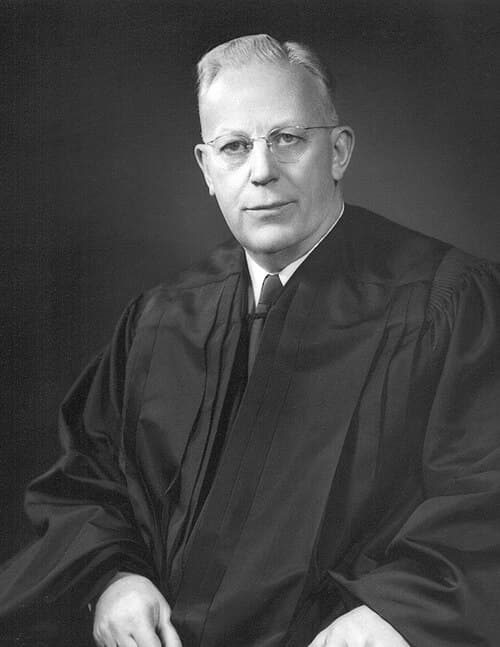
Earl Warren
PERSON3 w/ Hofstadter·3 w/ Brotherton
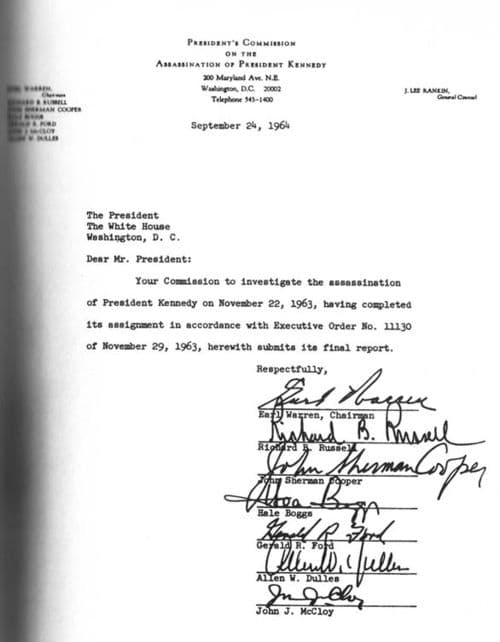
the Warren Commission
ORGANIZATION3 w/ Hofstadter·3 w/ Brotherton
BO
Booth
PERSON3 w/ Hofstadter·3 w/ Brotherton
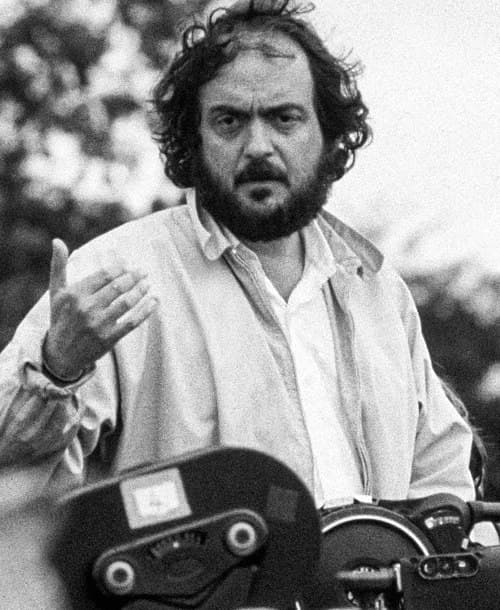
Kubrick
PERSON3 w/ Hofstadter·3 w/ Brotherton
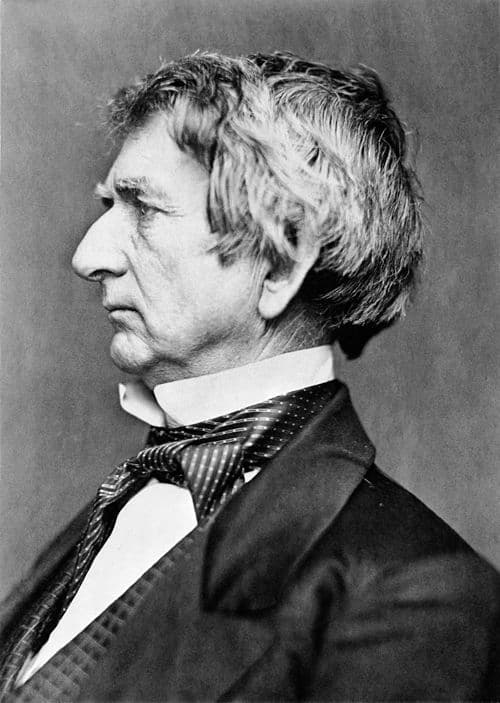
William Seward
PERSON3 w/ Hofstadter·3 w/ Brotherton
the Center on Law and Security
ORGANIZATION3 w/ Hofstadter·3 w/ Brotherton
Kenya
LOCATION2 w/ Hofstadter·2 w/ Brotherton
Cassius
PERSON2 w/ Hofstadter·2 w/ Brotherton
University of Oxford
ORGANIZATION2 w/ Hofstadter·2 w/ Brotherton
Julius Caesar
PERSON2 w/ Hofstadter·2 w/ Brotherton
Woody Allen
PERSON2 w/ Hofstadter·2 w/ Brotherton
Confederacy
ORGANIZATION2 w/ Hofstadter·2 w/ Brotherton
Brutus
PERSON2 w/ Hofstadter·2 w/ Brotherton