Back to Network












5
Shared Docs
5
Same-Page
5 / 9
Mentions
Document Mentions (5 shared documents)
3 mentions1 same-page
Page ?Same page
understanding by a questioner and answerer," it is not fundamentally ambiguous. Id. at 375 (internal quotation marks omitted); see United States v. Jenkins, 727 F. App'x 732, 735 (2d Cir. 2018) ("An individual of ordinary intelligence would not think that a question asking for information regarding `rea
th Amendment rights are personal rights ... [that] may not be vicariously asserted."' United States v. Haqq, 278 F.3d 44, 47 (2d Cir. 2002) (quoting Rakas v. Illinois, 439 U.S. 128, 133-34 (1978)). Accordingly, a defendant's Fourth Amendment rights "are violated only when the challenged conduct invade
ent of a motion to suppress has the burden of establishing that his own Fourth Amendment rights were violated by the challenged search or seizure." Rakas, 439 U.S. at 130, n.1; see also Rawlings v. Kentucky, 448 U.S. 98, 104 (1980). Under the third party doctrine, the Fourth Amendment "does not prohi
3 mentions1 same-page
Page ?Same page
understanding by a questioner and answerer," it is not fundamentally ambiguous. Id. at 375 (internal quotation marks omitted); see United States v. Jenkins, 727 F. App'x 732, 735 (2d Cir. 2018) ("An individual of ordinary 130 EFTA00095222 intelligence would not think that a question asking for inform
th Amendment rights are personal rights ... [that] may not be vicariously asserted."' United States v. Haqq, 278 F.3d 44, 47 (2d Cir. 2002) (quoting Rakas v. Illinois, 439 U.S. 128, 133-34 (1978)). Accordingly, a defendant's Fourth Amendment rights "are violated only when the challenged conduct invade
EFTA00095174 to suppress has the burden of establishing that his own Fourth Amendment rights were violated by the challenged search or seizure." Rakas, 439 U.S. at 130, n.1; see also Rawlings v. Kentucky, 448 U.S. 98, 104 (1980). Under the third party doctrine, the Fourth Amendment "does not prohi
Sponsored
3 mentions1 same-page
Page ?Same page
understanding by a questioner and answerer," it is not fundamentally ambiguous. Id. at 375 (internal quotation marks omitted); see United States v. Jenkins, 727 F. App'x 732, 735 (2d Cir. 2018) ("An individual of ordinary intelligence would not think that a question asking for information regarding 'rea
th Amendment rights are personal rights ... [that] may not be vicariously asserted."' United States v. Haqq, 278 F.3d 44, 47 (2d Cir. 2002) (quoting Rakas v. Illinois, 439 U.S. 128, 133-34 (1978)). Accordingly, a defendant's Fourth Amendment rights "are violated only when the challenged conduct invade
ent of a motion to suppress has the burden of establishing that his own Fourth Amendment rights were violated by the challenged search or seizure." Rakas, 439 U.S. at 130, n.1; see also Rawlings v. Kentucky, 448 U.S. 98, 104 (1980). Under the third party doctrine, the Fourth Amendment "does not prohi
2 mentions1 same-page
Page ?Same page
understanding by a questioner and answerer," it is not fundamentally ambiguous. Id. at 375 (internal quotation marks omitted); see United States v. Jenkins, 727 F. App'x 732, 735 (2d Cir. 2018) ("An individual of ordinary intelligence would not think that a question asking for information regarding `rea
ent of a motion to suppress has the burden of establishing that his own Fourth Amendment rights were violated by the challenged search or seizure." Rakas, 439 U.S. at 130, n.1; see also Rawlings v. Kentucky, 448 U.S. 98, 104 (1980). Under the third party doctrine, the Fourth Amendment "does not prohi
Sponsored
Mutual Connections (259)
Entities connected to both Jenkins and Rakas
Jeffrey Epstein
PERSON44 w/ Jenkins·5 w/ Rakas
Julie K. Brown
PERSON27 w/ Jenkins·5 w/ Rakas
Scarlett Johansson
PERSON26 w/ Jenkins·5 w/ Rakas
United States
LOCATION24 w/ Jenkins·5 w/ Rakas
Michael Jackson
PERSON24 w/ Jenkins·5 w/ Rakas
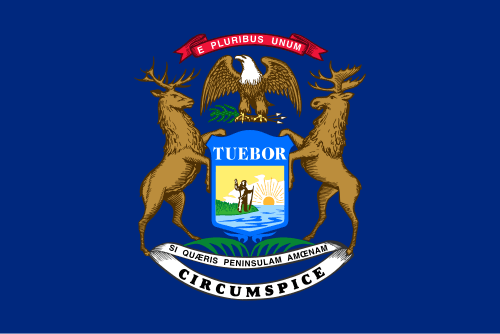
Michigan
LOCATION23 w/ Jenkins·4 w/ Rakas
George Mitchell
PERSON22 w/ Jenkins·5 w/ Rakas
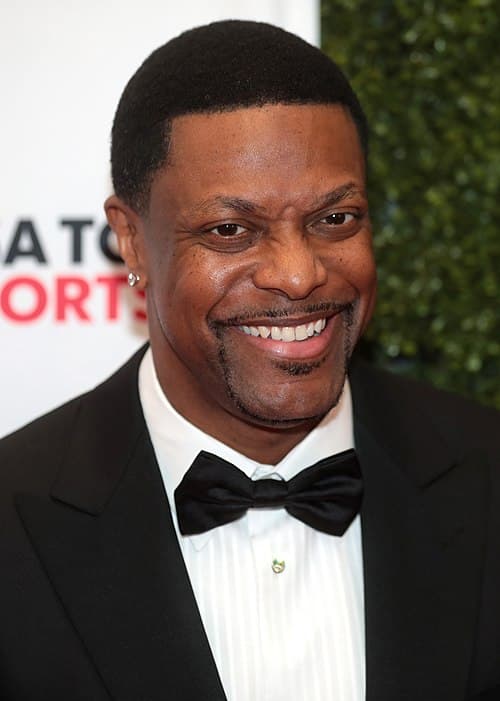
Chris Tucker
PERSON21 w/ Jenkins·5 w/ Rakas
Oregon
LOCATION20 w/ Jenkins·5 w/ Rakas
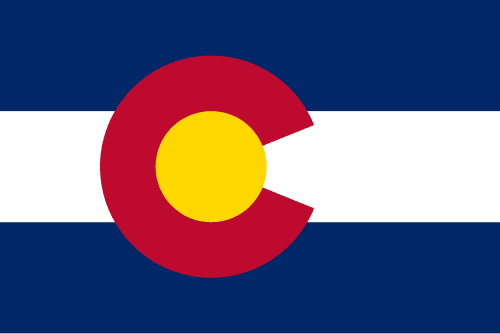
Colorado
LOCATION20 w/ Jenkins·5 w/ Rakas
Supreme Court
ORGANIZATION19 w/ Jenkins·5 w/ Rakas
Virginia Giuffre
PERSON20 w/ Jenkins·3 w/ Rakas
MF
Maria Farmer
PERSON19 w/ Jenkins·4 w/ Rakas
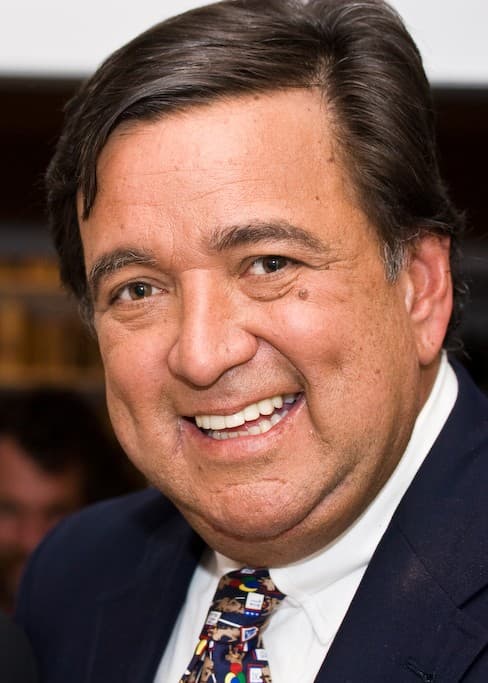
Bill Richardson
PERSON18 w/ Jenkins·5 w/ Rakas
the Southern District
LOCATION17 w/ Jenkins·5 w/ Rakas
Minnesota
LOCATION17 w/ Jenkins·5 w/ Rakas
Stephen Hawking
PERSON17 w/ Jenkins·5 w/ Rakas
North Carolina
LOCATION17 w/ Jenkins·5 w/ Rakas
Eric Schmidt
PERSON16 w/ Jenkins·5 w/ Rakas
Sacramento
LOCATION16 w/ Jenkins·5 w/ Rakas