Back to Network
















5
Shared Docs
5
Same-Page
5 / 5
Mentions
Document Mentions (5 shared documents)
2 mentions1 same-page
Page ?Same page
understanding by a questioner and answerer," it is not fundamentally ambiguous. Id. at 375 (internal quotation marks omitted); see United States v. Jenkins, 727 F. App'x 732, 735 (2d Cir. 2018) ("An individual of ordinary intelligence would not think that a question asking for information regarding `rea
reciable deterrence." United States v. Eldred, 933 F.3d 110, 118 (2d Cir. 2019) (quotingHerring v. Un ited States,555 U.S. 135, 141(2009)); see also Herring, 555 U.S. at 144 (concluding that "[t]o trigger the exclusionary rule, police conduct must be sufficiently deliberate that exclusion can meaningful
2 mentions1 same-page
Page ?Same page
understanding by a questioner and answerer," it is not fundamentally ambiguous. Id. at 375 (internal quotation marks omitted); see United States v. Jenkins, 727 F. App'x 732, 735 (2d Cir. 2018) ("An individual of ordinary intelligence would not think that a question asking for information regarding `rea
ciable deterrence." United States v. Eldred, 933 F.3d 110, 118 (2d Cir. 2019) (quoting Herring v. United States, 555 U.S. 135, 141 (2009)); see also Herring, 555 U.S. at 144 (concluding that "[t]o trigger the exclusionary rule, police conduct must be sufficiently deliberate that exclusion can meaningful
Sponsored
2 mentions1 same-page
Page ?Same page
understanding by a questioner and answerer," it is not fundamentally ambiguous. Id. at 375 (internal quotation marks omitted); see United States v. Jenkins, 727 F. App'x 732, 735 (2d Cir. 2018) ("An individual of ordinary 130 EFTA00095222 intelligence would not think that a question asking for inform
ciable deterrence." United States v. Eldred, 933 F.3d 110, 118 (2d Cir. 2019) (quoting Herring v. United States, 555 U.S. 135, 141 (2009)); see also Herring, 555 U.S. at 144 (concluding that "[t]o trigger the exclusionary rule, police conduct must be sufficiently deliberate that exclusion can meaningful
2 mentions1 same-page
Page ?Same page
understanding by a questioner and answerer," it is not fundamentally ambiguous. Id. at 375 (internal quotation marks omitted); see United States v. Jenkins, 727 F. App'x 732, 735 (2d Cir. 2018) ("An individual of ordinary intelligence would not think that a question asking for information regarding 'rea
ciable deterrence." United States v. Eldred, 933 F.3d 110, 118 (2d Cir. 2019) (quoting Herring v. United States, 555 U.S. 135, 141 (2009)); see also Herring, 555 U.S. at 144 (concluding that "[t]o trigger the exclusionary rule, police conduct must be sufficiently deliberate that exclusion can meaningful
Sponsored
Mutual Connections (331)
Entities connected to both Jenkins and Herring
Jeffrey Epstein
PERSON44 w/ Jenkins·15 w/ Herring
United States
LOCATION24 w/ Jenkins·10 w/ Herring
Julie K. Brown
PERSON27 w/ Jenkins·6 w/ Herring
Scarlett Johansson
PERSON26 w/ Jenkins·5 w/ Herring
George Mitchell
PERSON22 w/ Jenkins·8 w/ Herring
Michigan
LOCATION23 w/ Jenkins·7 w/ Herring
Alan Dershowitz
PERSON23 w/ Jenkins·6 w/ Herring
Virginia Giuffre
PERSON20 w/ Jenkins·9 w/ Herring
Michael Jackson
PERSON24 w/ Jenkins·5 w/ Herring
MF
Maria Farmer
PERSON19 w/ Jenkins·10 w/ Herring
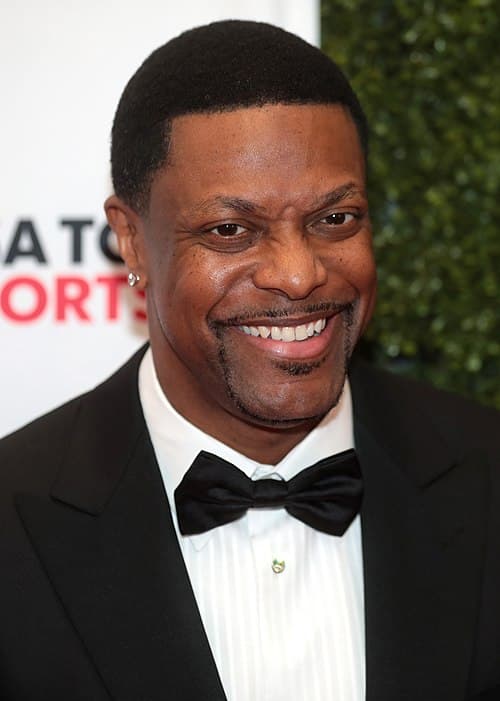
Chris Tucker
PERSON21 w/ Jenkins·7 w/ Herring
Department of Justice
ORGANIZATION24 w/ Jenkins·4 w/ Herring
Oregon
LOCATION20 w/ Jenkins·7 w/ Herring
Bradley Edwards
PERSON15 w/ Jenkins·10 w/ Herring
Colorado
LOCATION20 w/ Jenkins·5 w/ Herring
Supreme Court
ORGANIZATION19 w/ Jenkins·6 w/ Herring
Prince Andrew
PERSON19 w/ Jenkins·5 w/ Herring
Ghislaine Maxwell
PERSON14 w/ Jenkins·9 w/ Herring
Minnesota
LOCATION17 w/ Jenkins·6 w/ Herring
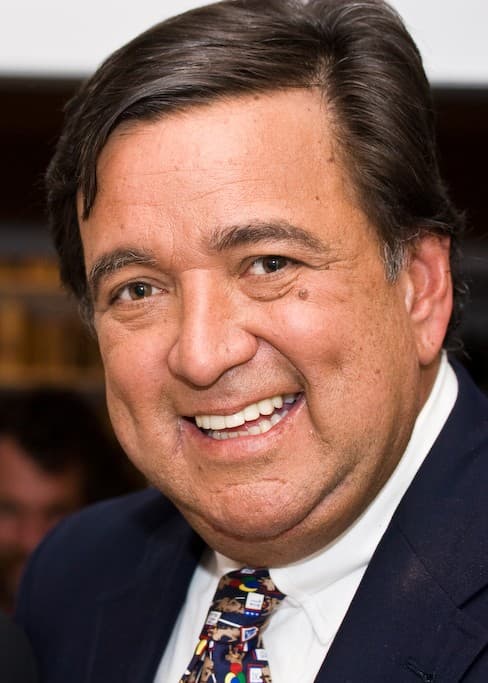
Bill Richardson
PERSON18 w/ Jenkins·5 w/ Herring