Back to Network








5
Shared Docs
5
Same-Page
5 / 5
Mentions
Document Mentions (5 shared documents)
2 mentions1 same-page
Page ?Same page
community population for purposes of assessing representativeness is the population eligible for jury service in the community. See, e.g., Taylor v. Louisiana, 419 U.S. 522,524 (1975) (focusing on population eligible for jury service); Rioux, 97 F.3d at 657 ("We conclude that the appropriate measure in th
. That is entirely consistent not just with the foregoing authority, but also with the Southern District's Local Rules for the Division of Business. See SDNY Business Division Rules 18, 19. Criminal cases are also sometimes transferred to other Districts for trial. See Fed. R. Crim. P. 21. Under the defendant's approach,
2 mentions1 same-page
Page ?Same page
community population for purposes of assessing representativeness is the population eligible for jury service in the community. See, e.g., Taylor v. Louisiana, 419 U.S. 522, 524 (1975) (focusing on population eligible for jury service); Rioux, 97 F.3d at 657 ("We conclude that the appropriate measure in t
. That is entirely consistent not just with the foregoing authority, but also with the Southern District's Local Rules for the Division of Business. See SDNY Business Division Rules 18, 19. Criminal cases are also sometimes transferred to other Districts for trial. See Fed. R. Crim. P. 21. Under the defendant's approach,
2 mentions1 same-page
Page ?Same page
community population for purposes of assessing representativeness is the population eligible for jury service in the community. See, e.g., Taylor v. Louisiana, 419 U.S. 522, 524 (1975) (focusing on population eligible for jury service); Rioux, 97 F.3d at 657 ("We conclude that the appropriate measure in t
. That is entirely consistent not just with the foregoing authority, but also with the Southern District's Local Rules for the Division of Business. See SDNY Business Division Rules 18, 19. Criminal cases are also sometimes transferred to other Districts for trial. See Fed. R. Crim. P. 21. Under the defendant's approach,
Sponsored
2 mentions1 same-page
Page ?Same page
community population for purposes of assessing representativeness is the population eligible for jury service in the community. See, e.g., Taylor v. Louisiana, 419 U.S. 522, 524 (1975) (focusing on population eligible for jury service); Rioux, 97 F.3d at 657 ("We conclude that the 69 The defense motion re
. That is entirely consistent not just with the foregoing authority, but also with the Southern District's Local Rules for the Division of Business. See SDNY Business Division Rules 18, 19. Criminal cases are also sometimes transferred to other Districts for trial. See Fed. R. Crim. P. 21. Under the defendant's approach,
2 mentions1 same-page
Page ?Same page
community population for purposes of assessing representativeness is the population eligible for jury service in the community. See, e.g., Taylor v. Louisiana, 419 U.S. 522, 524 (1975) (focusing on population eligible for jury service); Biota, 97 F.3d at 657 ("We conclude that the appropriate measure in t
. That is entirely consistent not just with the foregoing authority, but also with the Southern District's Local Rules for the Division of Business. See SDNY Business Division Rules 18, 19. Criminal cases are also sometimes transferred to other Districts for trial. See Fed. R. Crim. P. 21. Under the defendant's approach,
Sponsored
Mutual Connections (122)
Entities connected to both Louisiana and See SDNY Business Division
Jeffrey Epstein
PERSON231 w/ Louisiana·5 w/ See
LB
Leon Black
PERSON140 w/ Louisiana·5 w/ See
United States
LOCATION121 w/ Louisiana·5 w/ See
ET
Emmy Taylor
PERSON93 w/ Louisiana·5 w/ See
Scarlett Johansson
PERSON87 w/ Louisiana·5 w/ See
Ghislaine Maxwell
PERSON84 w/ Louisiana·5 w/ See
John F. Kennedy
PERSON60 w/ Louisiana·5 w/ See
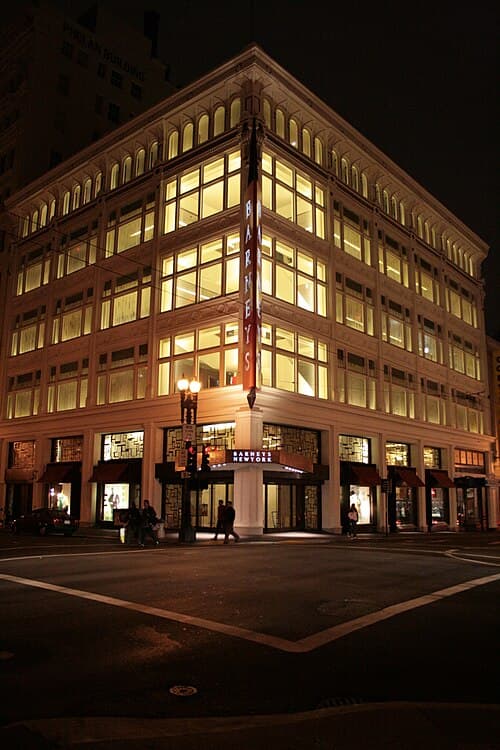
Barneys New York
ORGANIZATION55 w/ Louisiana·5 w/ See
CO
Collins
PERSON52 w/ Louisiana·5 w/ See
Howell
PERSON42 w/ Louisiana·5 w/ See
Bill Richardson
PERSON41 w/ Louisiana·5 w/ See
WA
Walsh
PERSON37 w/ Louisiana·5 w/ See
SU
Sullivan
PERSON36 w/ Louisiana·5 w/ See
Cynthia Nixon
PERSON34 w/ Louisiana·5 w/ See
PE
Perez
PERSON34 w/ Louisiana·5 w/ See
TH
Thompson
PERSON33 w/ Louisiana·5 w/ See
GI
Gibson
PERSON32 w/ Louisiana·5 w/ See
Richmond
LOCATION29 w/ Louisiana·5 w/ See
Audrey Strauss
PERSON27 w/ Louisiana·5 w/ See
WA
Walker
PERSON25 w/ Louisiana·5 w/ See