Back to Network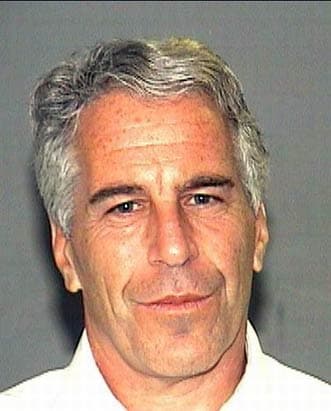






5
Shared Docs
5
Same-Page
5 / 5
Mentions
Document Mentions (5 shared documents)
2 mentions1 same-page
Page ?Same page
Applicable Law The Double Jeopardy Clause of the Fifth Amendment to the Constitution "protects against multiple punishments for the same offense." North Carolina v. Pearce, 395 U.S. 711, 717 (1969). Accordingly, a defendant cannot be sentenced for multiplicitous charges covering the same crime. "An indictmen
s "are violated only when the challenged conduct invaded his legitimate expectation of privacy rather than that of a third party." United States v. Payner, 447 U.S. 727, 731 (1980) (emphasis in original); see also United States v. Villegas, 899 F.2d 1324, 1333 (2d Cir. 1990). Ultimately, the Fourth Ame
2 mentions1 same-page
Page ?Same page
Applicable Law The Double Jeopardy Clause of the Fifth Amendment to the Constitution "protects against multiple punishments for the same offense." North Carolina v. Pearce, 395 U.S. 711, 717 (1969). Accordingly, a defendant cannot be sentenced for multiplicitous charges covering the same crime. "An indictmen
s "are violated only when the challenged conduct invaded his legitimate expectation of privacy rather than that of a third party." United States v. Payner, 447 U.S. 727, 731 (1980) (emphasis in original); see also United States v. Villegas, 899 F.2d 1324, 1333 (2d Cir. 1990). Ultimately, the Fourth Ame
2 mentions1 same-page
Page ?Same page
Applicable Law The Double Jeopardy Clause of the Fifth Amendment to the Constitution "protects against multiple punishments for the same offense." North Carolina v. Pearce, 395 U.S. 711, 717 (1969). Accordingly, a defendant cannot be sentenced for multiplicitous charges covering the same crime. "An indictmen
s "are violated only when the challenged conduct invaded his legitimate expectation of privacy rather than that of a third party." United States v. Payner, 447 U.S. 727, 731 (1980) (emphasis in original); see also United States v. Villegas, 899 F.2d 1324, 1333 (2d Cir. 1990). Ultimately, the Fourth Ame
Sponsored
2 mentions1 same-page
Page ?Same page
Applicable Law The Double Jeopardy Clause of the Fifth Amendment to the Constitution "protects against multiple punishments for the same offense." North Carolina v. Pearce, 395 U.S. 711, 717 (1969). Accordingly, a defendant cannot be sentenced for multiplicitous charges covering the same crime. "An indictmen
s "are violated only when the challenged conduct invaded his legitimate expectation of privacy rather than that of a third party." United States v. Payner, 447 U.S. 727, 731 (1980) (emphasis in original); see also United States v. Viliegas, 899 F.2d 1324, 1333 (2d Cir. 1990). Ultimately, the Fourth Ame
2 mentions1 same-page
Page ?Same page
Applicable Law The Double Jeopardy Clause of the Fifth Amendment to the Constitution "protects against multiple punishments for the same offense." North Carolina v. Pearce, 395 U.S. 711, 717 (1969). Accordingly, a defendant cannot be sentenced for multiplicitous charges covering the same crime. "An indictmen
s "are violated only when the challenged conduct invaded his legitimate expectation of privacy rather than that of a third party." United States v. Payner, 447 U.S. 727, 731 (1980) (emphasis in original); see also United States v. Villegas, 899 F.2d 1324, 1333 (2d Cir. 1990). Ultimately, the Fourth Ame
Sponsored
Mutual Connections (283)
Entities connected to both North Carolina and Payner
Jeffrey Epstein
PERSON325 w/ North·13 w/ Payner
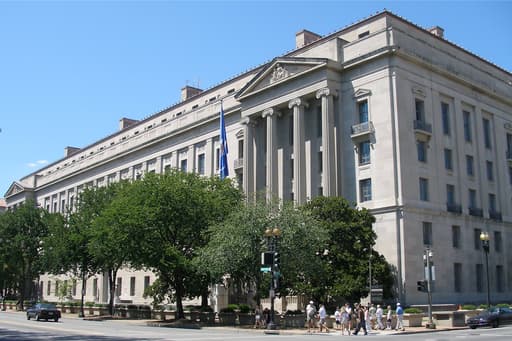
Department of Justice
ORGANIZATION168 w/ North·2 w/ Payner
Virginia Giuffre
PERSON159 w/ North·3 w/ Payner
United States
LOCATION137 w/ North·11 w/ Payner
Julie K. Brown
PERSON133 w/ North·12 w/ Payner
Colorado
LOCATION137 w/ North·5 w/ Payner
Michigan
LOCATION128 w/ North·4 w/ Payner
Stephen Hawking
PERSON120 w/ North·8 w/ Payner
Ghislaine Maxwell
PERSON111 w/ North·13 w/ Payner
Michael Jackson
PERSON108 w/ North·5 w/ Payner
Minnesota
LOCATION106 w/ North·5 w/ Payner
George Mitchell
PERSON106 w/ North·5 w/ Payner
Kentucky
LOCATION94 w/ North·5 w/ Payner
Scarlett Johansson
PERSON90 w/ North·5 w/ Payner
Chris Tucker
PERSON90 w/ North·5 w/ Payner
Supreme Court
ORGANIZATION81 w/ North·10 w/ Payner
Oregon
LOCATION73 w/ North·5 w/ Payner
the Southern District
LOCATION61 w/ North·11 w/ Payner
MF
Maria Farmer
PERSON62 w/ North·4 w/ Payner
Bradley Edwards
PERSON58 w/ North·8 w/ Payner